



Kilifi County’s growing industrial investment is creating fresh opportunities for cooperative societies and smallholder farmers, with the commissioning of a new fruit processing factory expected to strengthen agricultural value chains and expand market access.
Over the last three years, the county has attracted Sh9 billion in investments through the Export Processing Zone (EPZ) programme, resulting in the establishment of 14 new enterprises and the creation of more than 14,000 jobs.
Speaking during the commissioning of the Milly Fruits EPZ Ltd processing factory in Sabaki Ward, Magarini Constituency, Investment Promotion Principal Secretary Abubakar Hassan said Kilifi has emerged as the leading coastal county in attracting EPZ investments, a development he attributed to strong collaboration between the national and county governments.
According to the Principal Secretary, the number of EPZ enterprises operating in Kilifi has increased from 10 to 24 since President William Ruto and Governor Gideon Maitha Mung’aro assumed office.
He noted that while the EPZ programme had remained largely stagnant in Kilifi for nearly three decades, employing about 10,000 people, the last three years alone have witnessed unprecedented growth.
“Fourteen new companies have invested Sh9 billion and created 14,000 additional jobs, surpassing what was achieved during the previous 30 years,” said Mr. Abubakar.
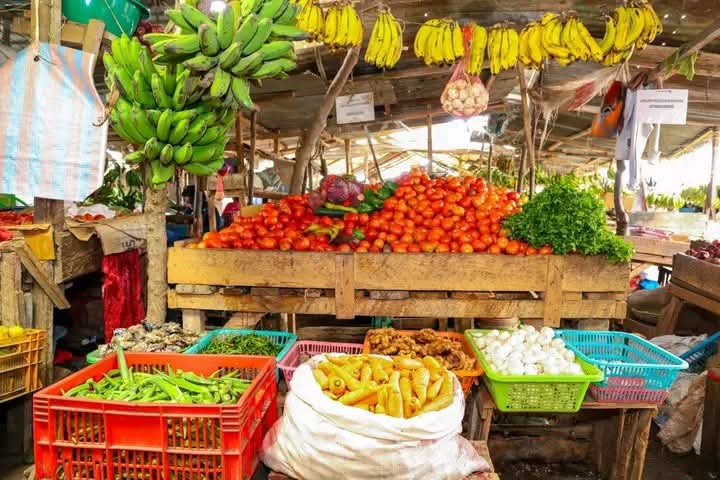
For the cooperative movement, the launch of the Sh343 million Milly Fruits processing plant marks a significant breakthrough. The factory is expected to provide a reliable market for thousands of fruit growers, encouraging farmers to organize themselves into cooperative societies for stronger bargaining power, improved aggregation of produce, and access to better markets.
At full production, the facility will process about 10,000 metric tonnes of fruit annually sourced from more than 4,000 farmers, including 3,580 new smallholder producers. This presents a major opportunity for agricultural cooperatives to coordinate production, improve quality standards, negotiate better prices, and supply fruits in volumes required by export markets.
The plant will also produce approximately 760 metric tonnes of dried fruits every year for export to markets in Europe and the Middle East, adding value to locally grown produce while reducing post-harvest losses.
The investment was supported through a partnership between Milly Fruits EPZ Ltd and the UK Government’s Sustainable Urban Economic Development (SUED) Programme, implemented by Financial Sector Deepening (FSD) Kenya. The programme contributed Sh83.8 million in catalytic funding, complementing the company’s Sh259 million investment.
Governor Gideon Mung’aro described the factory as a major milestone in his administration’s industrialization agenda, saying it would transform the livelihoods of farming communities by creating stable markets and promoting value addition.
Milly Fruits Managing Director Azeem Rashid emphasized that Kenya’s future agricultural prosperity depends on processing locally produced crops before export.
“Our future lies in processing more of what we grow, creating jobs here at home and exporting finished products proudly carrying the words ‘Made in Kenya’,” he said.
Beyond creating employment, the project is expected to inject approximately Sh633.75 million into the local economy over the next three years through payments to farmers and workers. It will support an estimated 4,180 jobs, comprising 500 direct positions, 400 indirect jobs, and 3,580 farmer-linked opportunities.
British Deputy High Commissioner Diana Dalton said the factory demonstrates the strength of Kenya-UK economic cooperation, while FSD Kenya Chief Executive Officer Rashmi Pillai noted that the project showcases how public-private partnerships can accelerate inclusive economic growth.
As Kilifi continues to attract industrial investment, cooperative societies are expected to play an increasingly strategic role in linking thousands of smallholder farmers to high-value processing industries, ensuring that rural communities benefit directly from the county’s expanding manufacturing sector.