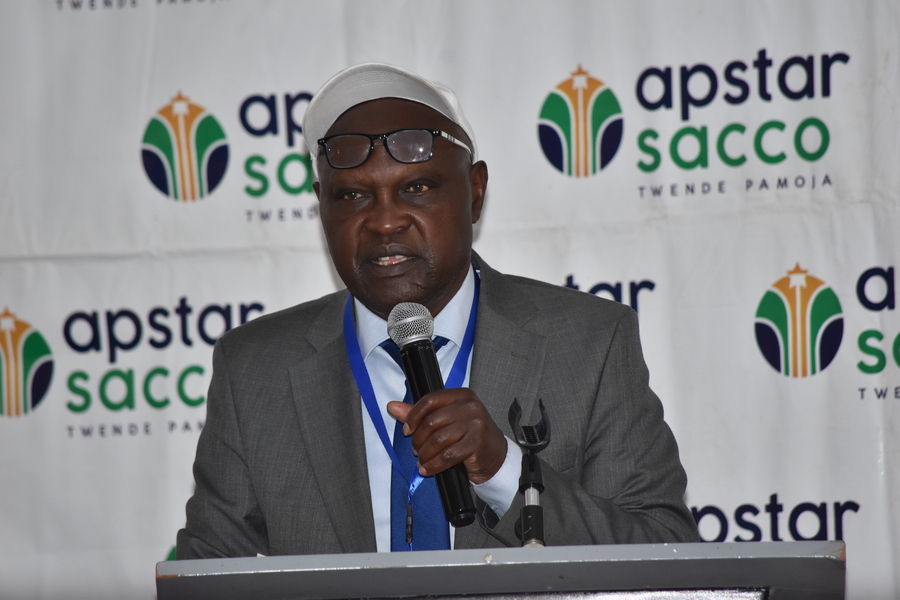

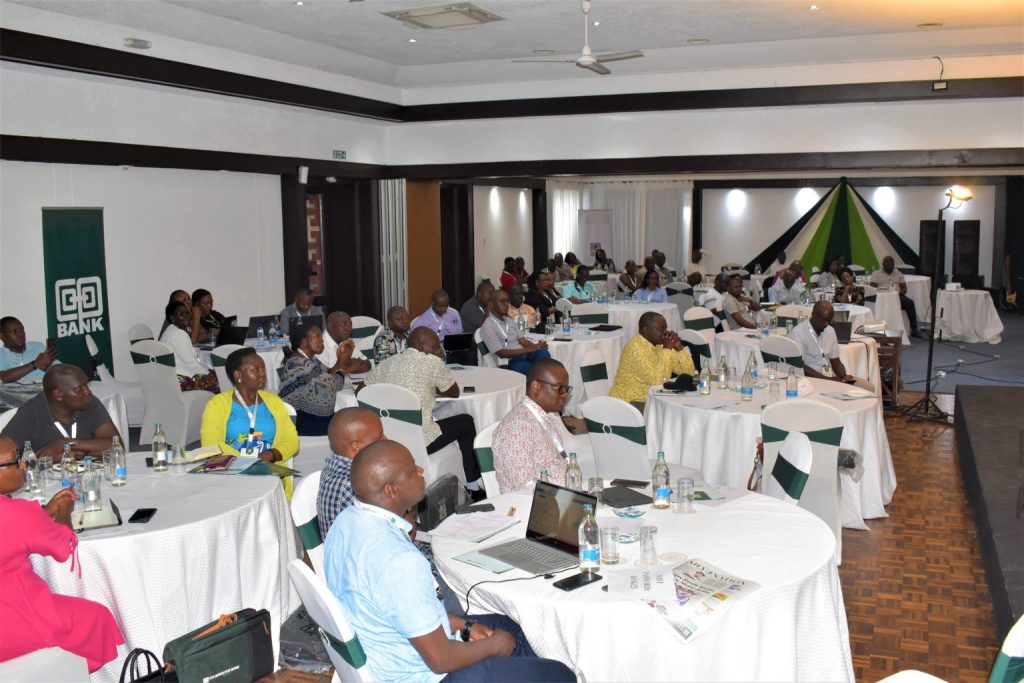
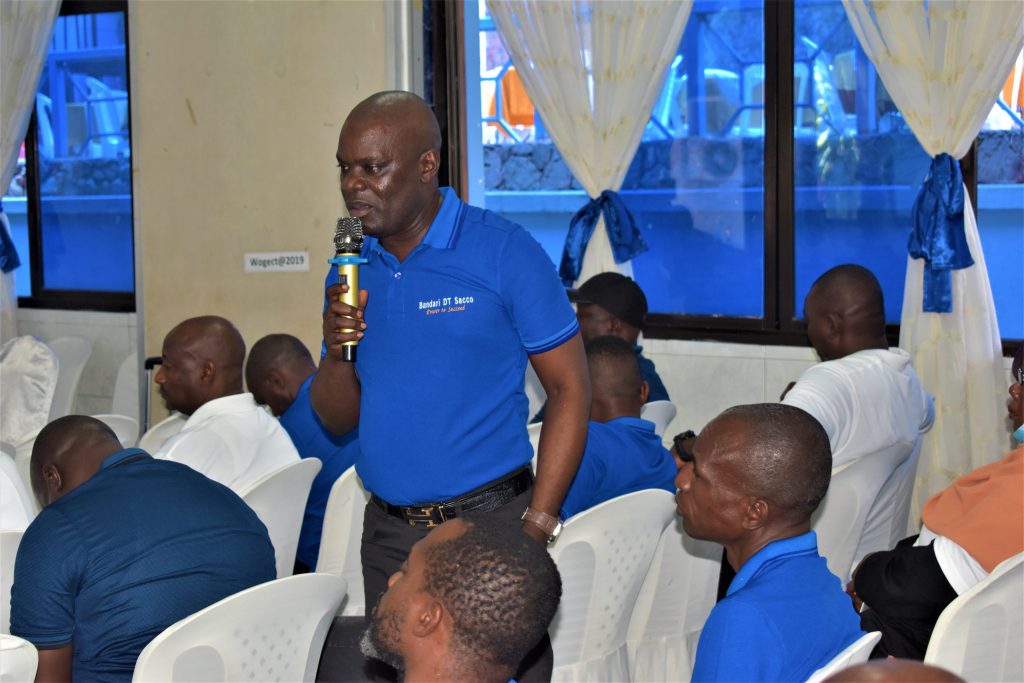

In a landmark shift for one of the Kenya coast region’s leading financial institutions, Mafanikio Deposit-Taking (DT) Sacco has officially commenced the implementation of a full delegates system. This transition, marking a significant milestone in the Sacco’s nearly 50-year history, moves the organization away from a direct member-participation model toward a representative governance structure. To cement this change, the Sacco has hosted a specialized training session for its 104 inaugural delegates, led by Nelson Nyoro, the Mombasa County Cooperative Director.
The move to a delegates system is a strategic response to the Sacco’s consistent growth in both assets and membership. As the institution expands, the traditional model of direct participation becomes logistically challenging. The new system is designed to streamline decision-making and ensure that members are represented by professionals who have a significant stake in the organization. This evolution ensures that the Sacco remains agile and capable of implementing its 2025/2026 strategic goals.
The Weight of Leadership and Professional Integrity.
The transition from a general member to a delegate is more than a change in title; it is a transition into the inner workings of the institution. Delegates are now considered “insiders” and are entrusted with the heavy burden of decision-making. This new status brings increased regulatory scrutiny, particularly regarding “insider lending,” and requires a higher standard of professional conduct.
Nelson Nyoro emphasized that true integrity for a delegate is measured by their ability to add value to the organization. To ensure this, he proposed a performance-tracking framework that includes:
- Performance Mapping: Visualizing the specific geographical and operational areas delegates represent.
- Impact Tracking: Measuring the growth and health of member clusters over a four-year period to determine a delegate’s direct influence.
- Business Representation: Reaffirming that delegates must act as ambassadors for the Sacco’s business interests.
Leadership in this new system also requires a personal sacrifice of certain freedoms. Delegates must move away from “pedestrian” or casual commentary, as members are likely to believe their statements as official word. This “sacrifice of free speech” is a necessary step to ensure that communication remains professional, guarded, and aligned with the Sacco’s unified vision.
Preserving Memory While Embracing Innovation.
While the system is new, the Sacco is careful not to discard its history. The inclusion of veteran figures in the inaugural delegate body ensures that foundational knowledge and institutional memory are preserved. By blending these experienced voices with “new blood,” the Sacco aims to achieve a balance between stability and the agility required for the modern financial landscape.
A central theme of the new era is technological adaptation. Delegates have been urged to champion digital transformation, specifically the adoption of mobile banking and digital platforms. This shift is essential for remaining relevant to younger demographics who prioritize instant service over traditional paperwork. Furthermore, the Sacco leadership is actively engaging with regulators to ensure that new levies and operational costs do not stifle this growth.
A Focus on Social Transformation.
Beyond balance sheets and billion-shilling asset targets, the success of the new delegates system will be measured by its social impact. The true mandate of the Sacco leadership is to foster “social transformation”—the tangible ability of a member to fund their child’s education or a farmer to purchase fertilizer through accessible credit. Delegates are expected to look beyond dividends and focus on stories of individual member empowerment.
To prevent organizational failure, the Sacco is prioritizing clear communication. Using the “Tower of Babel” as a metaphor, the Cooperative Director warned that a lack of unified vision and internal communication breakdowns are more destructive than a lack of resources. The delegates are the primary tools to fix this, ensuring that everyone in the Sacco is “speaking the same language”.
The Road Ahead: Watchdogs and Ambassadors.
The Supervisory Committee has reminded the new delegates that they are now the “watchdogs” of the society. Their role is to ensure that board policies are followed and that member interests are protected at all times. The Chairman Cosmus Mutia, underscored this by noting that delegates are now the face of the organization. He encouraged an open-door policy, urging delegates to communicate directly with the board and management to solve problems efficiently.
As Mafanikio DT Sacco prepares for its first-ever Annual Delegate Meeting (ADM), the message to the 104 representatives is clear: the era of passive membership is over. They have been given a foundation through rigorous training to lead the society toward becoming the best in the country. With this new governance structure, the Sacco is positioned to turn its ambitious strategic goals into a reality, driven by a leadership body that is professional, accountable, and deeply rooted in the success of its members.
Key takeaways from the Sacco’s maiden Delegates training session.
1. The “Insider” Status and Regulatory Responsibility.
The most significant shift is the legal and regulatory reclassification of delegates. They are no longer viewed as general members but as “insiders.”
Financial Scrutiny: Just like Board members and staff, delegates are now subject to “insider lending” rules. If a delegate is over-borrowed or in default, it is a regulatory red flag that could lead to their removal from office.
The Burden of Decision-Making: Delegates now hold the proxy for thousands of members. Their choices on budgets, interest rates, and strategic plans are legally binding for the entire society.
2. The Trade-off: Leadership vs. Personal Freedom.
Mr. Nyoro emphasized that leadership in a financial cooperative requires a sacrifice of certain personal liberties to protect the institution’s reputation:
Freedom of Speech: Delegates must move away from “pedestrian” talk. Because their word is taken as fact by members, they must be guarded in what they say to avoid starting rumors or causing panic.
Freedom of Association: They are discouraged from associating with parties that may have interests conflicting with the Sacco’s growth or stability. Ambassadorial Role: Every action a delegate takes, whether at church, work, or in the village—is seen as a reflection of Mafanikio DT Sacco.
3.Preservation of Institutional Memory.
A vital point of the training was the balance between “new blood” and “old wisdom.”
Continuity: By having former leaders return as delegates, the Sacco ensures that the history and foundational values of the institution are not lost during the transition to the delegate system.
Mentorship: Experienced delegates serve as a bridge, helping the newly elected leaders understand the Sacco’s journey while they navigate modern challenges.
4. Oversight and the Watchdog Mechanism.
The introduction of the Supervisory Committee to the delegates highlights the “checks and balances” within the new system:
The Eye of the Member: While the Board manages and the Delegates represent, the Supervisory Committee acts as the internal watchdog to ensure policies are followed to the letter.
Transparency: Delegates were encouraged to maintain an open line of communication with the Supervisory Committee to ensure that member interests remain the top priority.
5. Adaptability as a Competitive Advantage.
Finally, the session underscored that the delegate system is a tool for modernization.
Strategic Participation: Delegates are not passive; they are expected to provide “input and insights” into the Sacco’s strategic plan and budget. Embracing Change: With the financial world changing rapidly, the speaker noted that leadership is a journey of learning new technologies and ways of doing business to ensure the Sacco remains relevant. The transition effectively turns a massive, potentially unwieldy membership into a structured, professionalized leadership body. This allows Mafanikio DT Sacco to make decisions faster and more accurately while ensuring that those making the decisions are financially committed (the Sh400,000 threshold) and legally accountable.