

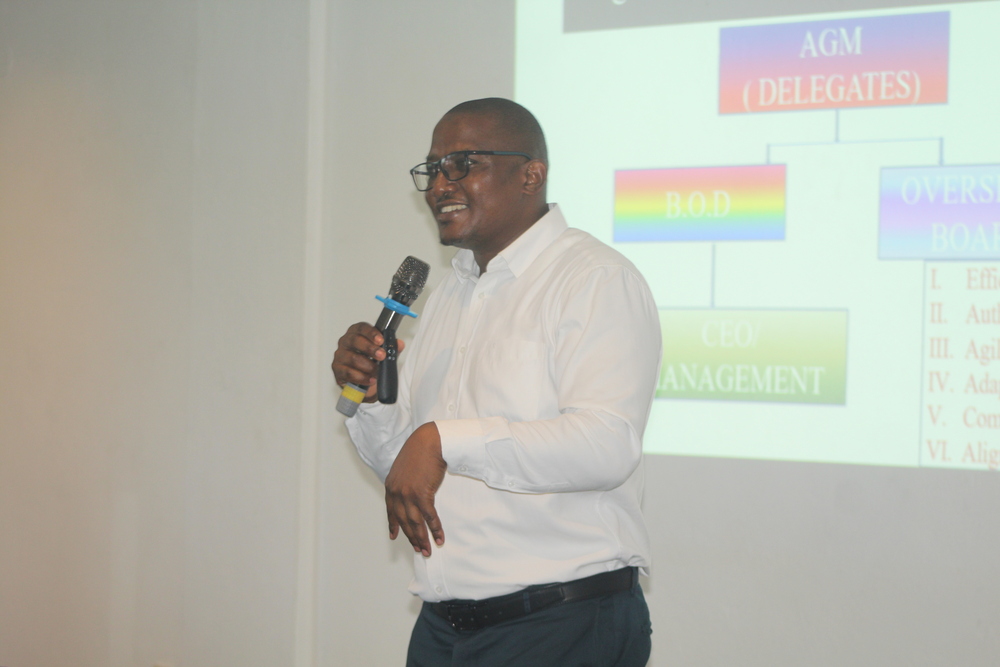
The cooperative movement in Mombasa County has emerged as a blueprint for institutional success and self-regulation in Kenya, fueled by a unique blend of volunteer leadership and rigorous financial oversight. During the 2026 Annual Mombasa County Cooperative Development Committee (MCCDC) meeting, leaders and regulators outlined a sector that is not only thriving but rivaling national-level organizations in professional execution.
A Dominant Economic Engine.
Mombasa’s urban landscape has fostered a high concentration of Savings and Credit Co-operative Societies (Saccos), making them the heartbeat of the local economy. From small, nurturing startups to regulated giants, the sector’s diversity is its strength.
“Mombasa being an urban area, you’d expect that Saccos are the dominant cooperative,” noted Nelson Nyoro, the Mombasa County Director of Co-operatives. “We have deposit-taking Saccos regulated by SASRA, non-withdrawal deposit-taking Saccos, and several others—the smaller ones—that we are still nurturing for licensing”.
The county also serves as a critical hub for approximately 20 national cooperatives, including Stima Sacco and Mwalimu National, which maintain active branches in the region.
The Power of Volunteerism and Technical Expertise.
A defining characteristic of Mombasa’s success is the MCCDC, a committee that acts as a technical extension of the Directorate of Co-operatives. Nyoro credited the committee’s success to the tireless efforts of its members, many of whom serve in a volunteer capacity while simultaneously holding high-level positions in the national financial sector.
“I can assure you leaders, I also don’t know how these people sometimes operate,” Nyoro stated. “I know Director Kimathi sometimes goes out of his way to support activities from his own pocket. This is volunteer work, but it is a very rich composition of bosses”.
A New Era of Accountability
To sustain this growth, the directorate is pushing for even higher standards of transparency and reporting as the 2026 agenda takes shape. The emphasis is shifting toward proactive governance to ensure that the trust of Sacco members remains unshaken.
“The report and minutes should be sent, and the budget should be sent—that is an area we want to improve without compromising,” Nyoro explained. “At least one week before the leaders’ meeting, the minutes, the budget, and even the audited accounts should be ready so that we don’t breach the trust that the leaders have in us”.
National Recognition and Future Ambitions
The organizational prowess of the Mombasa movement has caught the attention of national officials. Previous Ushirika Day celebrations in the county have seen budgets hitting the 100-million shilling mark, funded entirely by the societies themselves rather than relying on government bailouts.
Nyoro recalled the impression left on the Principal Secretary (PS) during last year’s celebrations: “When the PS was here last year, he was shocked. He said, in fact, we are more organized than the national Ushirika celebration, and he was very, very impressed”. Looking ahead to the 2026 Ushirika Day, the county plans to secure the Governor as the guest of honor and potentially host the Cabinet Secretary, further profiling Mombasa as a premier destination for cooperative investment and excellence.