



The government has intensified efforts to establish a Deposit Guarantee Fund (DGF) for Savings and Credit Cooperative Societies (SACCOs), a reform expected to strengthen public confidence in the cooperative sector and provide greater protection for millions of members’ savings.
The proposal is part of broader reforms aimed at enhancing the safety, stability and sustainability of Kenya’s cooperative movement, which manages more than KES 1 trillion in member deposits and remains one of the country’s major sources of domestic savings.
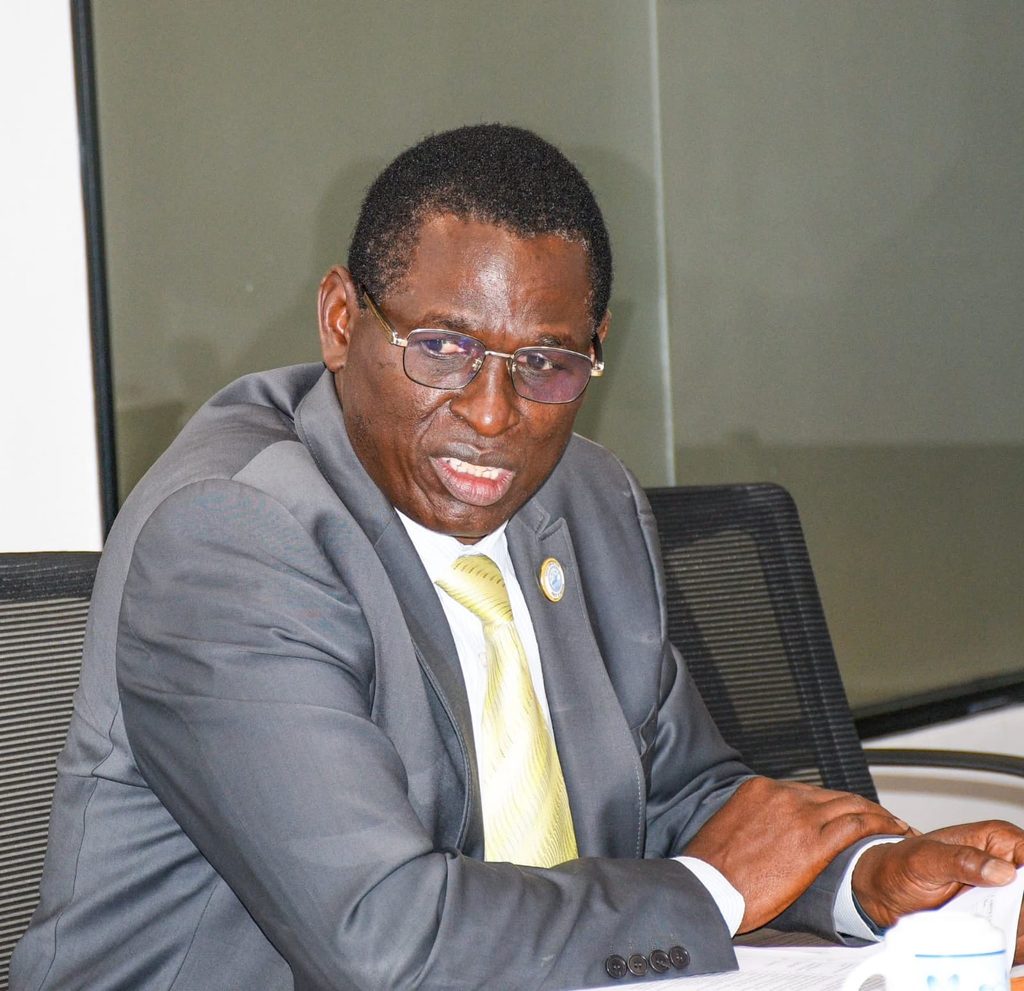
Speaking after chairing a strategic consultative meeting involving the Kenya Deposit Insurance Corporation (KDIC), the Sacco Societies Regulatory Authority (SASRA) and the World Bank, Principal Secretary for Cooperatives Patrick Kilemi said the proposed fund would create a safety net for SACCO members by protecting their deposits in the event of financial distress.
Kilemi said the rapid growth of the cooperative financial sector has made it necessary to establish a robust deposit protection framework capable of safeguarding members’ funds while promoting confidence in SACCOs.
“As SACCOs continue to mobilise savings exceeding KES 1 trillion, it is imperative that we establish a robust deposit protection framework to safeguard members’ funds, enhance financial stability and strengthen the resilience of the cooperative sector,” he said.
Closing a protection gap
Unlike commercial banks, whose eligible deposits are protected under the Kenya Deposit Insurance Corporation, SACCOs have historically operated without a dedicated deposit guarantee scheme.
The proposed DGF seeks to bridge this gap by creating an additional layer of protection for members while reinforcing confidence in the cooperative financial system.
For SACCO members, the significance of such a framework goes beyond regulatory policy. Savings are often the foundation through which members build businesses, finance education, acquire assets and meet other long-term financial goals. Greater clarity around deposit protection could therefore strengthen confidence in SACCOs as institutions for saving and financial planning.
The proposed framework could also support the wider growth of regulated SACCOs by giving existing and prospective members greater assurance about the safety of their funds.
Building the framework
The consultative meeting brought together key institutions involved in financial sector regulation and development to map out the legal, institutional and operational structures required to establish the fund.
According to Kilemi, the discussions resulted in an agreed roadmap to guide the next phase of the process. This includes harmonising the legal and regulatory framework, undertaking extensive stakeholder consultations and preparing recommendations for government consideration before implementation.
The involvement of the World Bank signals international support for reforms aimed at strengthening financial resilience and governance within Kenya’s cooperative sector.
Collaboration between KDIC and SASRA is also expected to help align the proposed framework with existing financial sector safeguards while taking into account the distinct structure and operating model of SACCOs.
The process will therefore require careful consideration of how the fund will be structured, financed and administered, as well as the obligations that will apply to participating SACCOs.
Strengthening confidence in SACCOs
The establishment of a Deposit Guarantee Fund has long been viewed as an important step in modernising Kenya’s cooperative financial system.
SACCOs continue to expand their membership, asset bases and digital financial services, increasing their role in the country’s financial ecosystem. As this growth continues, stronger consumer protection mechanisms become increasingly important to maintaining trust and financial stability.
A guarantee fund could reassure existing members while encouraging more Kenyans to save through regulated SACCOs. Increased confidence could, in turn, support the continued growth of institutions that provide affordable credit, promote financial inclusion and mobilise domestic savings.
The reform also complements ongoing efforts by the government and regulators to strengthen governance, improve risk management and enhance oversight within deposit-taking SACCOs.
For the sector, deposit protection would therefore form part of a wider financial safety framework rather than operate as a standalone reform. Its effectiveness will depend on the strength of the institutions participating in the system and the regulatory environment supporting them.
A new pillar of cooperative financial safety
Kilemi described the proposed fund as a landmark reform reflecting the government’s commitment to protecting cooperative members and ensuring the sector remains resilient in an evolving financial landscape.
He said establishing the DGF would strengthen public confidence, improve financial stability and secure the long-term sustainability of Kenya’s cooperative movement.
If successfully established and operationalised, the fund could become an important pillar of Kenya’s financial safety architecture, placing regulated SACCOs on a stronger footing while giving millions of members greater assurance around their savings.
For a cooperative sector managing more than KES 1 trillion in member deposits, the proposed reform could mark a significant shift in how savings protection is approached.
The initiative ultimately points to a broader objective: building a cooperative financial system in which growth is matched by stronger safeguards, sound governance and greater confidence among the members whose savings sustain it.