


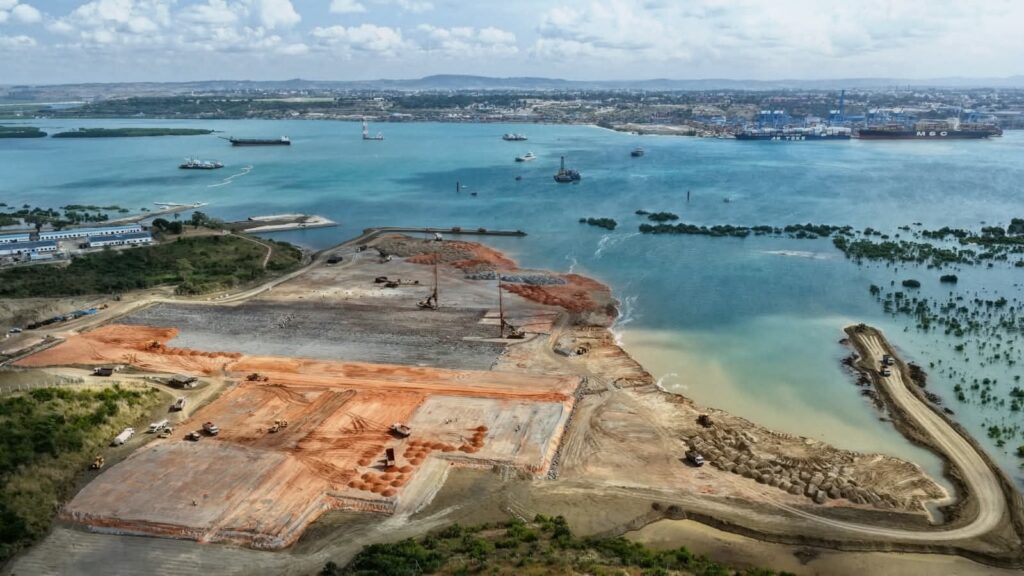
The Sh74.1 billion investment in Dongo Kundu could become a major growth opportunity for Coast SACCOs — but only if they move beyond conventional lending and position their members to finance, supply and invest in the economy emerging around the Special Economic Zone.
For SACCOs across the Coast, Dongo Kundu is more than a Government infrastructure project. It is a potential new market for their members.
As billions of shillings flow into roads, port facilities, railway connections, electricity and other infrastructure, an ecosystem of factories, logistics companies, contractors, traders and service providers is expected to develop around the 3,000-acre Special Economic Zone (SEZ).
That expansion could generate demand for the very businesses and investments many SACCO members already operate or aspire to establish — from transport, catering and accommodation to construction, agriculture, logistics, ICT and retail.
The question for SACCO leaders is therefore not simply how much credit members can access, but how effectively SACCO financing can position members to participate in the economic opportunities created by Dongo Kundu.
The Government has committed Sh74.1 billion towards infrastructure required to accelerate the operationalisation of the Mombasa SEZ. More than 90 investors have expressed interest in setting up businesses within the zone, while a Sh16 billion Liquefied Petroleum Gas (LPG) terminal by Tanzanian firm Taifa Gas is already about 80 per cent complete.
The Kenya Ports Authority (KPA) is implementing the Sh41.1 billion port component, including seven berths and associated yards covering about 1,300 acres.
The Government expects the SEZ to create approximately 40,000 jobs.
For the cooperative movement, however, the significance goes beyond the number of jobs.
Every new factory, warehouse, port facility or logistics operation creates a wider economic chain — requiring suppliers, transporters, contractors, food vendors, technicians, retailers, accommodation providers and other service businesses.
This is where SACCOs have a potentially important role: turning their members from spectators of the investment boom into participants in it.