


Poorly defined requirements, inadequate vendor evaluation and weak contract safeguards can turn a strategic technology investment into a costly operational burden.
For savings and credit co-operative societies (SACCOs), choosing a core banking system is one of the most consequential technology decisions they can make. The right platform can improve operational efficiency, strengthen risk management, support business expansion and deliver better services to members. The wrong choice can leave an institution facing escalating costs, implementation delays and a system that fails to meet its actual needs.
In many cases, however, the problem begins long before a vendor is selected. Poorly defined business requirements, misplaced priorities and inadequate vendor scrutiny can lay the foundation for an unsuccessful implementation.
When consultants define the SACCO’s needs
Consultants can play an important role in technology procurement by providing technical advice, developing evaluation frameworks and supporting the institution through the process. However, they should not replace the SACCO in determining what its business actually needs.
Before issuing a Request for Proposal (RFP), the SACCO should establish its requirements based on its strategic objectives, operational challenges, regulatory obligations, membership profile and anticipated growth.
Those requirements should reflect the institution’s actual business processes rather than a generic checklist borrowed from another organisation.
Where consultants recycle RFPs prepared for other institutions, SACCOs risk procuring functionality that may have little relevance to their operations. This can inflate project costs while forcing the institution to compromise on capabilities that are genuinely important.
The board and management must therefore retain ownership of the procurement process, ensuring that external advisers support rather than dictate technology decisions.
More features do not necessarily mean a better system
Another common mistake is focusing on the number of features a platform offers rather than whether those features solve real business problems.
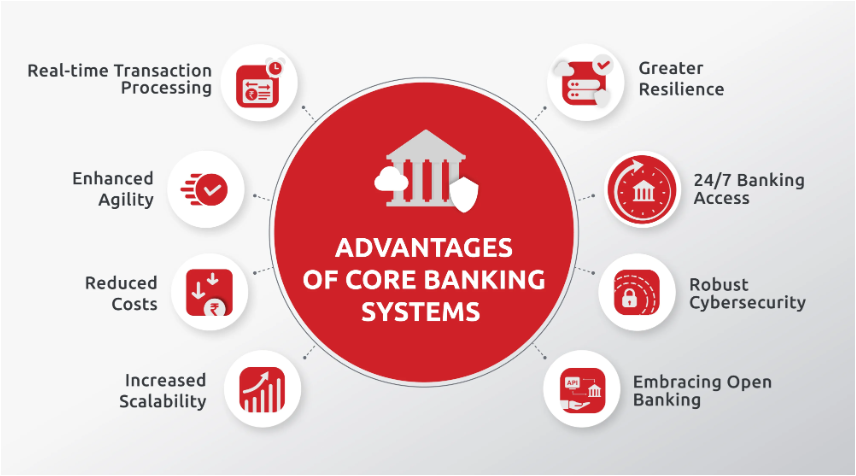
Core banking platforms can come with extensive modules and capabilities, each potentially increasing implementation, licensing and maintenance costs. A sophisticated feature presented during a vendor demonstration may look impressive but provide little value if the SACCO does not need it.
The focus should instead be on functionality that supports core operations such as transactions, member records, savings and credit products, financial reporting, regulatory compliance, risk management and service delivery.
Additional capabilities should be considered where they provide a clear business benefit or support a defined future requirement.
Without this discipline, a SACCO can end up paying for sophisticated functionality that remains largely unused while the operational problems that prompted the procurement remain unresolved.
A demonstration is not a test
A polished vendor presentation is not proof that a system can perform as promised.
SACCOs should allocate sufficient time for vendors to demonstrate complete business processes rather than isolated features. For example, a loan repayment demonstration should show more than the transaction screen. The vendor should demonstrate how the transaction updates the member’s loan balance, generates the appropriate accounting entries, reflects in financial reports and triggers other relevant processes.
This is important because functionality that appears simple during a presentation may require significant customisation or additional development before it works in the SACCO’s actual environment.
Business users, finance teams, IT personnel and other relevant staff should therefore be involved in testing realistic scenarios drawn from the SACCO’s own operations.
Think beyond today’s requirements
A core banking system should not only solve today’s problems; it should support the institution as it grows.
SACCO products evolve, regulations change, technology advances and members increasingly expect convenient digital services. A system that meets current requirements but cannot accommodate future needs can quickly become an expensive limitation.
Flexibility should therefore be a key consideration during procurement. SACCOs should establish which changes they can make internally, which require vendor intervention and what each category of change will cost.
The institution should also assess security, resilience, vendor support, implementation readiness and the total cost of ownership rather than focusing only on the initial purchase price.
Protecting the SACCO beyond implementation
The procurement decision should also extend to the contract. Boards and management should understand licensing terms, support arrangements, service levels, data ownership, system access, upgrade costs and what happens if the relationship with the vendor ends.
A strong contract should protect the SACCO’s ability to access its data and, where necessary, transition to another provider without creating an unreasonable operational or financial burden.
Ultimately, before approving a core banking investment, the board and management should be able to answer three questions: Does the system meet our actual business requirements? Can the vendor demonstrate that it can deliver and support the solution reliably? And can we afford the system throughout its lifecycle while retaining the flexibility to change providers if necessary?
The objective is not simply to acquire a new core banking system. It is to invest in a reliable platform that delivers measurable value, supports sustainable growth and protects the long-term interests of members.