


The Kenya Sugar Board (KSB) has sought to calm public concern over rising sugar prices after new data raised fears of shortages in shops and supermarkets.
In a statement issued on Thursday, January 22, 2026, the board assured consumers that sugar supplies remain stable and that there is no need for panic buying. The statement followed the release of figures by the Kenya National Bureau of Statistics (KNBS), which showed a sharp drop in local sugar production last year.
“We wish to assure Kenyans that there is no cause for panic and to continue buying sugar with confidence,” the board said.
The statement, signed by KSB chief executive officer Jude Cheshire, shows that Kenya produced 613,000 metric tonnes of sugar in 2025. This met only 61 per cent of national demand, which stands at about 1.2 million metric tonnes. Production fell by 25 per cent from 815,000 metric tonnes in 2024.
The board described 2025 as a transition year, planned as part of wider reforms in the sugar sector. It said the drop in output resulted from several deliberate and temporary factors aimed at stabilising the industry in the long term.
One key reason was the harvesting pattern of sugarcane. Much of the mature cane was harvested in 2024, which pushed production higher that year but left large areas with young cane in 2025.
As a result, seven sugar factories in the Lower and Upper Western regions temporarily shut down to allow the cane to mature. According to the board, mature cane improves sucrose content and protects farmers’ future earnings.
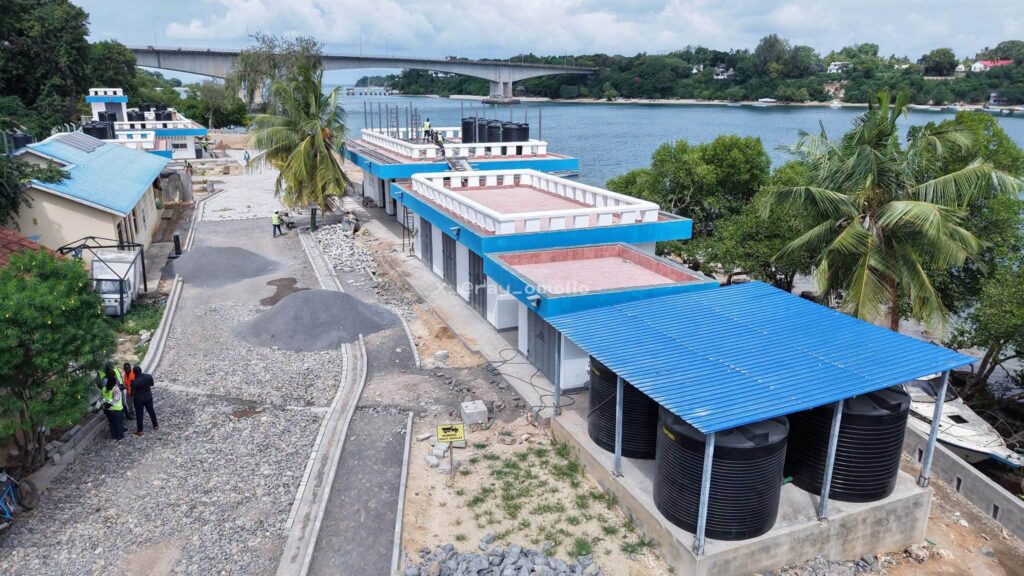
Another major factor was the closure of four state-owned sugar factories to allow leasing to private investors. After the handover, new operators invested about Ksh12.5 billion in factory renovations and upgrades. This led to nearly nine months of reduced milling capacity. Kwale Sugar did not operate at all during 2025.
The board said the closures affected short-term production but will modernise the industry and improve efficiency. It added that the upgrades will support stable output in the years ahead.
Weather and supply challenges
Weather conditions also played a role. Dry spells in late 2025 and early 2026 affected major cane-growing areas. The conditions slowed cane growth, reduced yields per hectare, and lowered factory output. The board said ongoing reforms and recovery plans will help reduce the impact of such weather patterns in future seasons.
Demand for sugar continues to rise due to population growth, urban consumption, and increased industrial use. The board said the government and regulators have put measures in place to ensure steady supply, control prices, and prevent artificial shortages or price manipulation.
KSB said farmers remain central to the recovery plan. Programmes funded by the Ksh1.2 billion Sugar Development Levy will roll out in 2026. These include expanding cane-growing areas and introducing early-maturing cane varieties developed by the Sugar Research Institute.
The board added that millions of tonnes of cane are already in the fields and supported by millers. Harvesting and milling are expected to rise from October to November 2026, marking a strong recovery in local production.
“The challenges of late 2025 and early 2026 are real, but they are temporary. The reforms are permanent,” the statement said. “Sugar supply will remain stable as the industry completes its recovery.”