

A youth-led venture in Msambweni, Kwale County, is combining aquaculture, vegetable farming and value addition to create new income opportunities from the Coast’s natural resources.
Pwani Hydrotech Youth Group began with a simple objective: to use technical skills and locally available resources to create livelihoods for young people. The initiative has since grown into an integrated agribusiness combining fish farming, vegetable production and plans to venture into fish processing.
The group currently operates fish-rearing facilities and a vegetable farm in Msambweni, with its focus increasingly shifting from production alone towards value addition and market development.
Its latest fish harvest demonstrates the scale of the emerging enterprise. The group sold 525 kilograms of tilapia and 679 kilograms of catfish, giving it a combined output of 1,204 kilograms.
For the young entrepreneurs behind Pwani Hydrotech, however, the opportunity extends beyond selling fresh fish.
From fish farming to value addition
The group is exploring the production of fish flour from catfish as a way of extending its value chain and opening new markets.
The proposed product is being considered for use in school feeding programmes, creating an opportunity to link aquaculture with nutrition while developing an additional revenue stream.
“We are hoping to provide school children with our flour whose ingredients include ground catfish meat,” said founding director Dr Fahmy Seif Musanjje.
Moving into processing could allow the enterprise to capture more value from its production through activities such as milling, packaging, branding, distribution and marketing.
It could also create opportunities for other young people to participate in areas such as processing, logistics, packaging and sales.
The proposed fish-flour venture remains at an exploratory stage, but it represents the group’s ambition to move from selling raw products towards developing higher-value offerings for institutional and consumer markets.
Skills driving the enterprise
Pwani Hydrotech’s model is built around technical skills and the belief that young people can become producers and entrepreneurs rather than relying exclusively on formal employment.
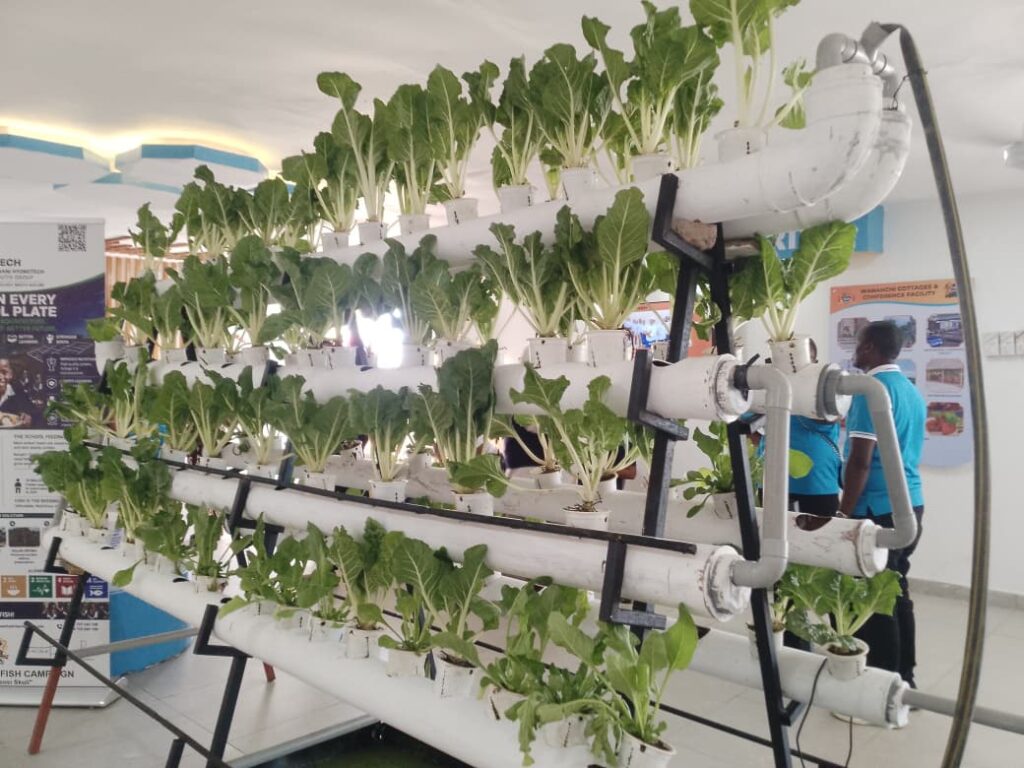
Through its Hydrotech skills, the group has ventured into aquaculture and agriculture as complementary activities. Vegetable production provides an additional source of income while helping diversify the enterprise’s agricultural activities.
Support from development institutions, including the Coast Development Authority (CDA), has also contributed to the group’s efforts to strengthen its operations and pursue its wider enterprise ambitions.
The combination of technical skills, productive assets and institutional support has helped the initiative develop from a youth project into a commercial venture with a growing production base.
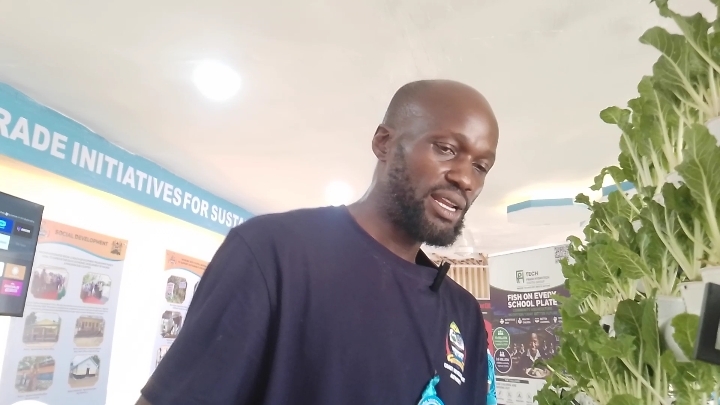
Recognition for aquaculture innovation
The enterprise’s progress has also brought recognition to its leadership.
Musanjje has been nominated for the 2026 Agribusiness Excellence Awards Africa in the Aquaculture and Fisheries Excellence category. The awards draw and ceremony are scheduled for November 21 in Zimbabwe.
The nomination provides wider visibility for an enterprise operating in a sector with significant potential along Kenya’s Coast.
With its long coastline, marine resources, inland water systems and agricultural land, the region has opportunities across fisheries, aquaculture, mariculture and related value chains. Turning that potential into sustainable businesses, however, requires technical skills, investment, markets and entrepreneurs capable of developing viable commercial models.
Pwani Hydrotech is attempting to bring several of these elements together at the enterprise level.
Coast Development Authority Chairman Mzee Mwinyi Mzee congratulated the group, describing its progress as evidence of commitment and growing technical capacity.
“This is a fantastic achievement that showcases the hard work, dedication, and growing expertise of your team,” he said.
Mzee said aquatic and mariculture enterprises remain among the practical opportunities available to communities in the coastal region as the region seeks to expand livelihoods, food production and economic activity.
Building a value chain, not just a farm
For Pwani Hydrotech, the immediate priority is to strengthen production and establish whether fish flour can become a commercially viable product.
That transition from producing commodities to developing processed and potentially branded products could determine how much value the enterprise ultimately captures from its production.
The experience also highlights a wider opportunity within Kenya’s blue economy. The greatest commercial returns may not always come from harvesting resources, but from developing businesses around them.
Fish production, for example, can support value chains involving hatcheries, feeds, farming, processing, cold storage, transport, packaging and marketing. Vegetable farming can similarly create opportunities in aggregation, processing and distribution.
For young entrepreneurs, these linkages offer possibilities beyond direct employment on farms and ponds.
Pwani Hydrotech’s 1,204-kilogram fish harvest is therefore more than a production figure. It provides an emerging commercial base from which the group hopes to build a wider enterprise.
Its proposed fish-flour project could take that ambition further by connecting aquaculture with nutrition and institutional markets such as schools.
The journey remains a work in progress, but the direction is clear: use local resources, apply technical skills, add value and build businesses around opportunities available within the community.
For young people along the Coast, Pwani Hydrotech offers a practical example of how the blue economy can move beyond policy discussions and development plans into enterprises generating food, income and potentially employment.