



As hundreds of young entrepreneurs gathered in Nakuru to receive start-up capital under the Nyota programme, Cabinet Secretary for Cooperatives and Micro, Small and Medium Enterprises Wycliffe Oparanya viewed the moment as part of a much larger national transformation quietly unfolding across the country.
To him, the South Rift disbursement — which brought together beneficiaries from Narok, Bomet, Baringo, Nakuru and Kericho counties — was not just a ceremonial handover of funds. It was another milestone in an ongoing effort to tackle the deeper, structural challenges that have kept many youth-led businesses from surviving beyond their first few years.
“Capital alone does not build a sustainable enterprise,” Mr. Oparanya said. “What keeps a business alive is discipline, resilience and consistency.”
From the perspective of the Cooperatives and MSMEs Cabinet Secretary, Nyota represents a deliberate shift away from past youth funding models that focused narrowly on loans or grants. While access to finance remains critical, Oparanya argues that money without skills, mentorship and financial discipline often leads to short-lived enterprises and rising disillusionment among young entrepreneurs.
Nyota, a flagship youth enterprise initiative under the government’s Bottom-Up Economic Transformation Agenda, is designed to address these gaps. It combines start-up capital with practical business training, structured mentorship and compulsory savings — a blend Oparanya describes as essential for building enterprises that can grow, formalise and eventually employ others.
“Through structured savings, mentorship and enterprise formalisation, we are enabling young people to move from informal survival activities to stable, income-generating businesses,” he said.
What distinguishes Nyota, in Oparanya’s view, is its emphasis on value addition, aggregation and cooperative organisation. Rather than encouraging isolated micro-businesses to struggle on their own, the programme promotes group-based approaches that allow young entrepreneurs to pool resources, share risks and access larger markets.
This philosophy draws heavily from Kenya’s cooperative tradition, which Oparanya believes remains one of the country’s most effective tools for inclusive economic growth. Cooperatives have historically helped farmers, traders and small producers overcome barriers related to capital, market access and bargaining power — challenges that continue to affect youth-run enterprises today. “By integrating enterprise development with formal savings mechanisms, we are nurturing a generation of job creators who can compete in a globally connected economy,” he said.


The savings component of Nyota is particularly significant. Many young entrepreneurs, Oparanya notes, struggle to grow because they lack a savings culture, making it difficult to reinvest profits, withstand economic shocks or qualify for affordable credit. Under Nyota, beneficiaries are encouraged to save through registered groups and cooperatives, helping them build financial records that improve their creditworthiness over time.
From Nakuru to other parts of the country, similar scenes have played out as the programme continues to roll out region by region. Each disbursement, Oparanya says, reinforces the government’s commitment to decentralised development — ensuring that opportunities reach young people in rural and peri-urban areas, not just major cities.
“Youth unemployment is not just an urban problem,” he said. “It affects villages, market centres and small towns. That is why Nyota is being implemented across different regions, reflecting the diverse economic realities of young people.”
Nationally, youth unemployment remains one of Kenya’s most pressing socio-economic challenges. Many young people operate in the informal sector, where incomes are unstable and growth prospects limited. For Oparanya, Nyota is intended to bridge the gap between informality and sustainable enterprise by formalising businesses and linking them to training, mentorship and structured markets.
President William Ruto, who led the Nakuru ceremony, echoed this view, reiterating that Kenya’s economic transformation depends on empowering micro and small enterprises at the grassroots. Oparanya sees this alignment between political leadership and programme design as crucial to Nyota’s long-term success.
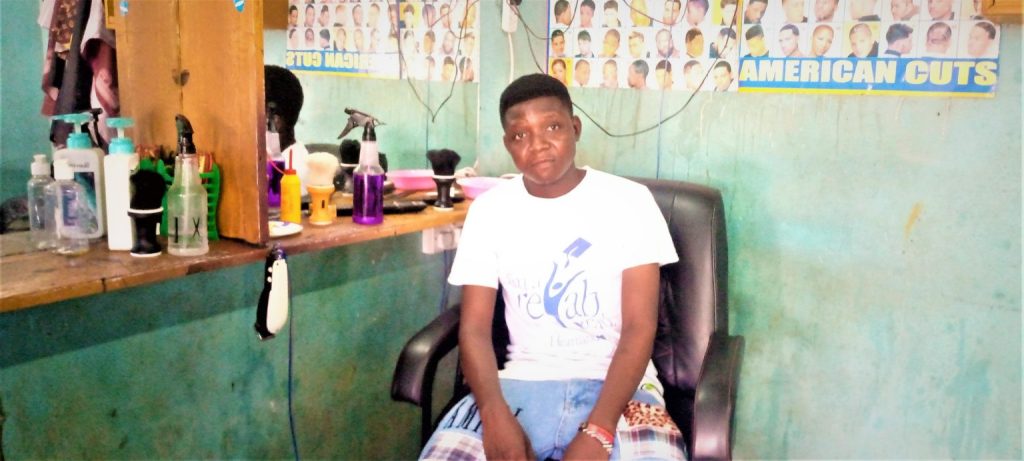
For beneficiaries, the programme represents more than seed capital. It offers entry into a structured support system designed to nurture ideas into viable businesses. Many of the young entrepreneurs in Nakuru described the funding as a turning point — not only because of the money received, but because of the guidance, accountability and networks that come with it.
Looking ahead, Oparanya is clear that the true measure of Nyota’s success will not be the number of cheques issued, but the durability of the enterprises it supports. He says the government will be closely monitoring business growth, survival rates and job creation to ensure the programme delivers lasting impact.
“Our goal is not short-term relief,” he said. “It is to build enterprises that survive, grow and create jobs long after the initial funding has been disbursed.”
As Nyota continues its nationwide rollout, Oparanya believes it is laying the foundation for a new youth enterprise culture — one anchored in cooperation, savings and long-term planning. For him, each regional disbursement is another step toward a more inclusive economy, where young Kenyans are not just job seekers, but active participants in building the country’s economic future.