


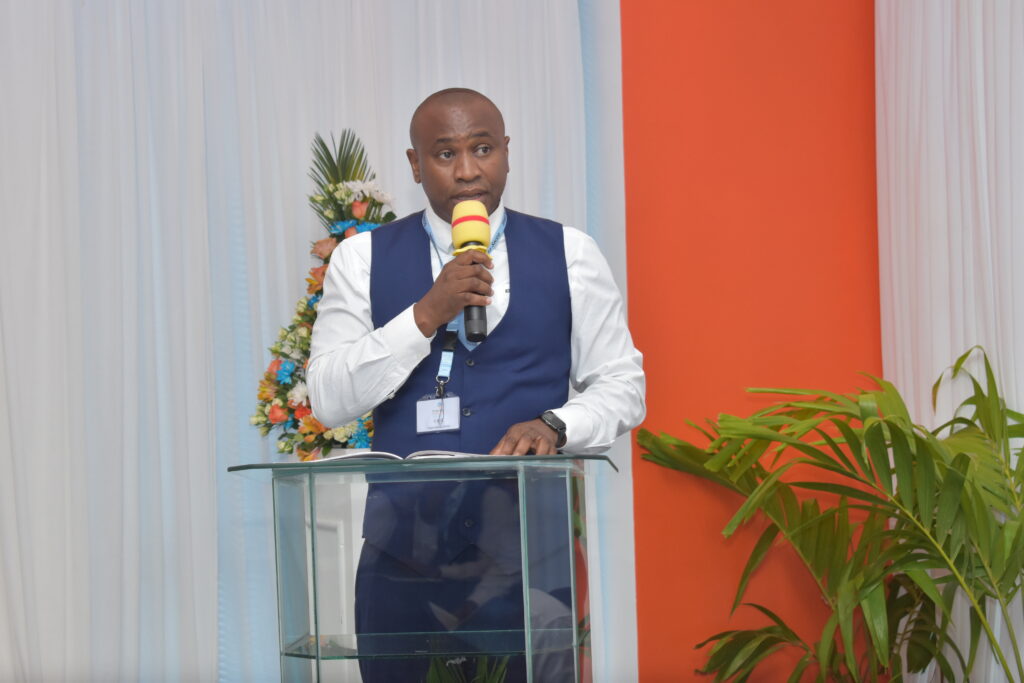
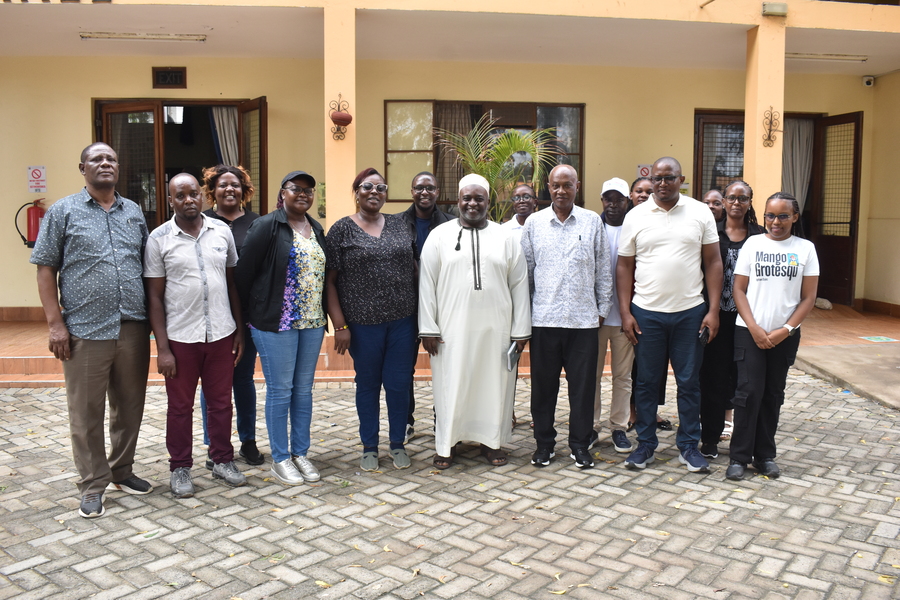
The cooperative sector in Mombasa County is positioning itself as a national leader in institutional success, driven by a rigorous commitment to financial transparency and a defiant stance against restrictive new legislation. At the 2026 Annual Mombasa County Cooperative Development Committee (MCCDC) meeting held at Chandaria Hall, leaders and regulators gathered to celebrate a year of record-breaking growth while charting a strategic path through a shifting regulatory landscape.
Mombasa’s economy is increasingly defined by its vibrant Sacco sector. Nelson Nyoro, the County Director of Co-operatives, noted that the urban environment has made Savings and Credit Co-operative Societies (Saccos) the dominant cooperative model in the region. The sector currently supports a diverse ecosystem, ranging from SASRA-regulated deposit-taking giants like Bandari DT Sacco and Ports DT Sacco to approximately 20 national cooperatives, including Stima Sacco and Mwalimu National.
The scale of these operations is immense. Nyoro highlighted that local Ushirika Day budgets have hit the 100-million shilling mark, with activities entirely funded by member societies.
“In many counties where the government assumed they would run the activities, they had to withdraw,” Nyoro stated. “But consistently, the cooperative movement in Mombasa has not skipped a single activity”.

The 2026 Strategic Agenda.
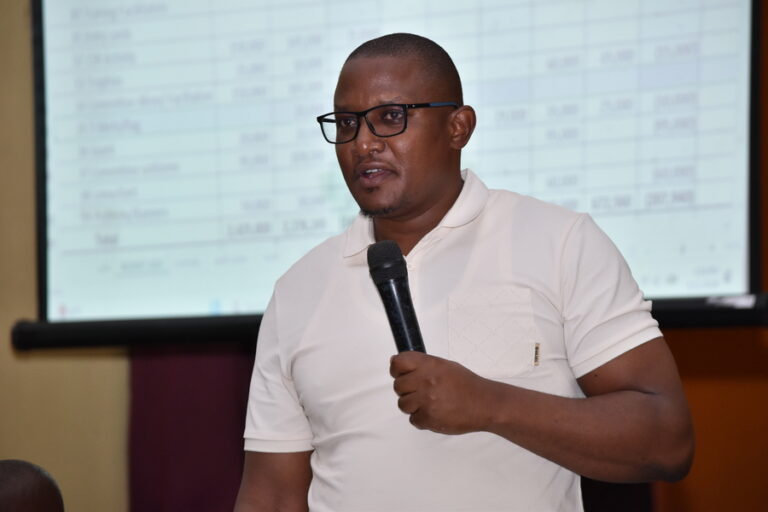
In her 2026 Chairlady’s report, Anastacia Cherono outlined an ambitious calendar designed to maintain this momentum. Key upcoming initiatives include:
- Education Seminars: Critical training sessions scheduled for May and September to bolster leadership skills.
- Community Impact: A major CSR initiative on June 27, continuing the sector’s “Concern for Community” principle.
- International Observances: Ushirika Day celebrations on July 4 and International Sacco Day on October 30.
Strengthening Financial Integrity.
Despite the sector’s success, the directorate is demanding even higher standards of accountability to protect member interests. Nyoro called for a “learning curve” in administration, insisting that budgets, minutes, and audited accounts be submitted to the committee at least one week before leadership meetings.
“The report and minutes should be sent, that is an area we want to improve without compromising,” Nyoro explained. “We must ensure we don’t breach the trust that the leaders have in us”.
The meeting also served as a forum for leaders to voice serious concerns regarding the ongoing Cooperative Bill and frequent regulatory changes by SASRA. Cherono warned that proposals such as board term limits, increased taxation, and the creation of multiple regulatory bodies risk overburdening the sector.
“Saccos are independent institutions and should not be subjected to unnecessary interference,” Cherono asserted in her report. “Regulation should support growth and stability, not hinder it”.
Leaders also addressed the “KUSCCO issue,” seeking clarity on delayed payments to institutions in the Coast region, even as other parts of the country reportedly begin receiving funds.
The Mombasa County Executive Committee Member (CEC) for Cooperatives, Ibrahim Mutwafy who doubled as the chief guest emphasized that the survival of the sector depends on moving away from traditional operations to a more transparent and tech-driven future as well as the merit of its leaders.
“Elect people to the committees who know what they are doing critically, because they can sense right from far if the society is not doing well,” he said.
He described these committees as the “first line of defense” against the mismanagement and “poor investments” that have historically benefited a few officials at the expense of the general membership.
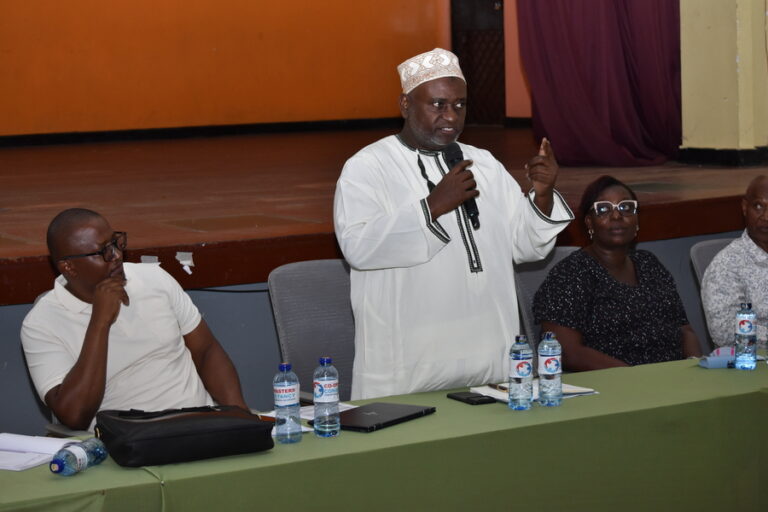
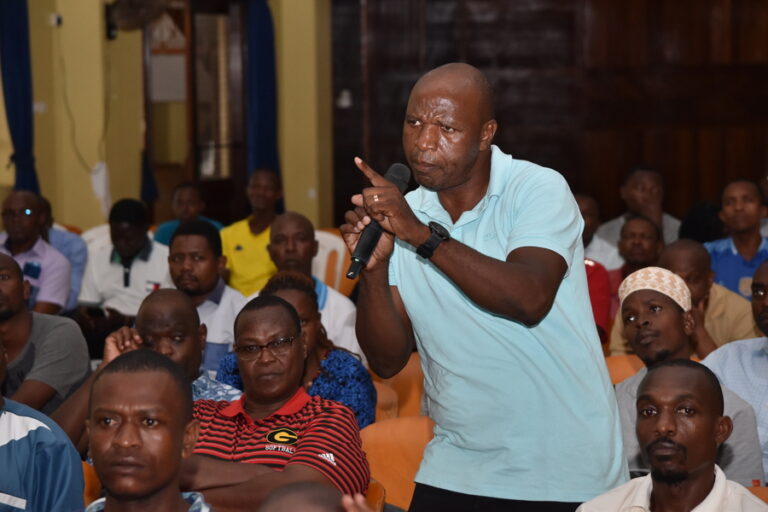
The CEC expressed concern over a gap in technical knowledge among Sacco leaders, noting that many struggle to interpret essential financial documents like profit and loss accounts or bank statements. He advocated for mandatory corporate governance training for every leader to ensure they can track Key Performance Indicators (KPIs) like membership activity and growth.
“We are talking about figures, and most of the people don’t know figures we need to take people to training,” he stated.
Open Leadership and Youth Inclusion.
Mutwafy concluded by encouraging a culture of support within the cooperative movement, urging veteran leaders to mentor the youth rather than discouraging them with overly harsh criticism. He reaffirmed his “open-door policy,” promising that the county government remains available to support individual Saccos at all levels.
“As much as we want to keep the eye on the ball, let’s also encourage each other to take these leadership positions,” he urged.