


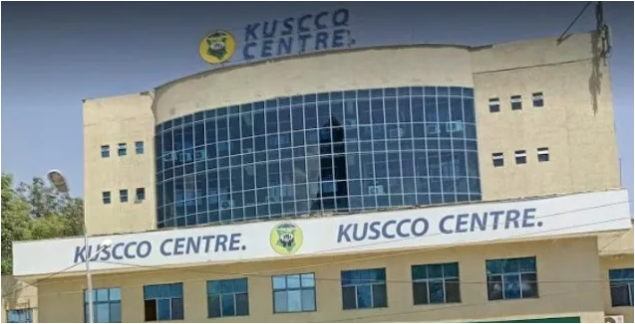
A High Court ruling in the dispute surrounding the Kenya Union of Savings and Credit Co-operatives Limited (Kuscco) has renewed attention on governance, investment decisions and the protection of members’ savings across Kenya’s SACCO movement.
The High Court in Nairobi struck out a petition seeking Kuscco’s liquidation under the Insolvency Act, with Justice Rhoda Rutto ruling that the legislation does not provide the legal basis for winding up a co-operative society registered under the Co-operative Societies Act.
The petition, filed by Rupsa Regulated NWDT Sacco Society Limited, sought to recover approximately KSh108.85 million allegedly owed by Kuscco. Financial records cited in the case showed liabilities of about KSh17.7 billion against assets of approximately KSh5.2 billion.
Although the ruling addressed the legal basis of the petition, it did not resolve the wider financial challenges facing the troubled apex body or the exposure of SACCOs that invested funds with it.
A crisis beyond the courtroom
The Government has cancelled Kuscco’s registration and is preparing for a replacement apex structure, while the liquidation process is being overseen by Waithaka Ngaruiya of Waithaka and Associates, appointed by Commissioner for Co-operative Development David Obonyo for a period not exceeding one year.
For affected SACCOs, the central concern remains the recovery of funds and the financial implications of their exposure.
Reported outstanding SACCO balances with Kuscco have declined from KSh16.1 billion to KSh7.76 billion. The reduction reflects provisions made by affected institutions against potential losses, highlighting the importance of transparent financial reporting when investments become distressed.
Co-operatives and MSMEs Development Cabinet Secretary Wycliffe Oparanya has described the provisions as painful but necessary. For SACCO boards and management teams, the episode underscores the need to assess institutional investments carefully and recognise potential losses in a timely manner.
A growing sector with lessons to learn
Kuscco’s difficulties should not be confused with the performance of Kenya’s entire SACCO movement. The Sacco Supervision Report 2025 shows that sector membership reached approximately 7.875 million, following the addition of nearly half a million members during the year.
Sector assets grew by 12.5 per cent, from KSh1.076 trillion to KSh1.210 trillion. Deposits increased by 11 per cent to KSh832 billion, while loans advanced to members rose by 12 per cent to KSh949 billion.
These figures demonstrate the movement’s continuing role in mobilising savings and financing households and enterprises. Members rely on SACCOs for education, housing, farming and business development.
The contrast between sector growth and Kuscco’s financial difficulties highlights an important distinction: growth alone does not guarantee institutional resilience. The systems used to manage investments, oversee risks and protect members’ funds are equally important.

The governance and investment questions
For individual SACCOs, the Kuscco experience raises questions about counterparty risk—the possibility of suffering losses when another institution holding or owing funds cannot meet its obligations.
Boards and management must understand where members’ money is invested, how concentrated that exposure is and whether the institutions receiving those funds have sound financial positions.
Investment decisions should be supported by due diligence covering financial performance, liquidity, governance and risk exposure. Regular monitoring is equally important because an institution’s financial position can deteriorate after an investment has been approved.
Effective governance also requires directors to question major investment proposals, demand clear reporting and ensure that risk management informs strategic decisions. These responsibilities cannot end once funds have been placed with another institution.
What SACCOs should take away
The crisis offers several lessons for the wider movement:
- Diversify exposure: Avoid excessive concentration of investments or deposits in a single institution.
- Strengthen due diligence: Assess the financial health, governance and liquidity of counterparties before committing members’ funds.
- Improve risk monitoring: Make investment, concentration and liquidity risks part of regular board-level reporting.
- Prioritise transparency: Recognise potential losses appropriately and communicate responsibly with members.
- Share lessons across the sector: Use the experience to strengthen investment policies, accountability and risk-management practices.
As the cooperative movement considers the future of its apex structure, protecting members’ savings must remain central to the conversation.
Kenya’s SACCO sector continues to expand, serving millions of members and supporting economic activity across the country. Sustaining that progress will require institutions to match financial growth with disciplined investment decisions, effective governance and robust risk controls.
The Kuscco crisis is a reminder that growth creates opportunities, but strong governance is essential to protect them.