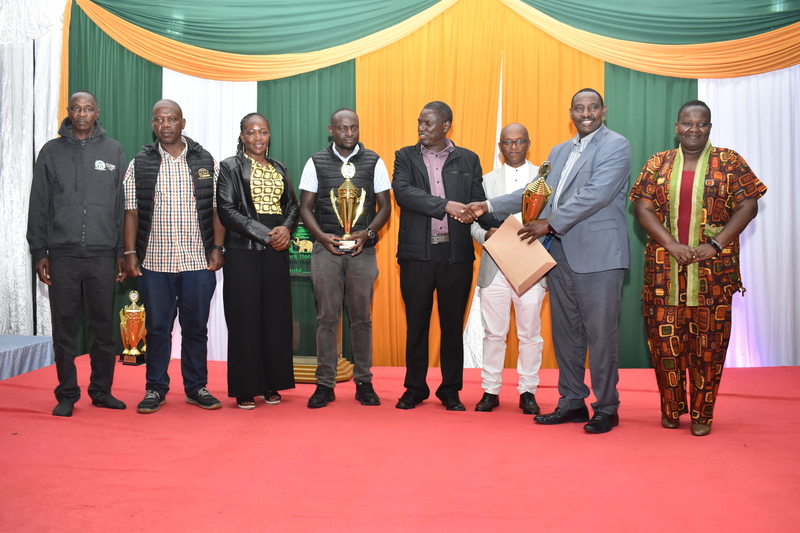




As Kenya continues to reposition its tea industry for greater global competitiveness, sustainability, and profitability, the Kenya Agricultural and Livestock Research Organization – Tea Research Institute (KALRO–TRI) remains at the forefront of promoting climate-smart technologies and value addition within the sector.
During the International Tea Day celebrations held at Momul Tea Factory in Kericho, the institute showcased a range of innovative research-driven solutions aimed at addressing climate change, improving tea productivity, and expanding market opportunities for Kenyan tea products.
The event, organized by the Tea Board of Kenya, brought together government officials, tea industry players, researchers, farmers, financial institutions, and development partners to reflect on the future of Kenya’s tea industry and the growing need for sustainable production practices and value addition.
Speaking during the celebrations, Cabinet Secretary for Agriculture and Livestock Development Mutahi Kagwe emphasized the importance of processing and branding agricultural products locally instead of exporting raw produce. He noted that value addition has the potential to create employment opportunities for young people, increase farmer earnings, and strengthen Kenya’s position in international markets.
Under the leadership of Institute Director Lilian Kerio, KALRO–TRI highlighted several technologies designed to support sustainable tea farming. Among the innovations presented were environmentally friendly biological pest control methods that use repellants and attractants to manage tea pests while reducing dependence on chemical pesticides.
The institute also showcased elite climate-smart tea varieties developed to perform well under changing weather conditions while maintaining high yields and quality standards. In addition, KALRO–TRI demonstrated the growing potential of specialty and value-added tea products, including green tea, purple tea, white tea, yellow tea, silver tea, and kombucha tea, which continue to attract interest in premium and wellness markets.
As part of efforts to strengthen tea production, the institute has continued collaborating with the Ministry of Agriculture and Livestock Development to support farmers with quality planting materials and modern farming technologies aimed at improving resilience and productivity.
The celebrations further highlighted the collective efforts being made across the tea value chain to build a more sustainable and competitive industry. Stakeholders including Kenya Tea Development Agency, Ketepa, Fairtrade International, Rainforest Alliance, Kenya Plant Health Inspectorate Service and several SACCOs and financial institutions participated in showcasing innovations and services supporting tea farmers and the broader industry.
KALRO–TRI’s participation reflected its ongoing role in advancing research, innovation, climate resilience, and value addition to ensure long-term sustainability and increased profitability within Kenya’s tea sector.