




SACCO leaders have been urged to confront fear, abandon excuses, and embrace transformational leadership if their institutions are to remain relevant and competitive in a rapidly changing financial landscape. This was the key message delivered by leadership coach and speaker Mr. Ezekiel Kelly Odongo while addressing delegates during a SACCO leaders’ summit.
In a hard-hitting and reflective address titled “From Good to Great: Unlocking the Leader Within,” Mr. Odongo challenged leaders to look inward, arguing that the greatest barriers to growth in cooperatives are often psychological rather than structural.
“Fear is like a spectacle, when you wear it, everything will look impossible,” he told the gathering, setting the tone for a session that focused on personal leadership transformation as the foundation for institutional success. According to Mr. Odongo, many leaders remain trapped not because of lack of opportunity, but because fear prevents them from taking decisive action.
He warned that fear, if left unchecked, can quietly erode an individual’s most productive years. “You will never know what is possible until you make a move, and you will never know how powerful you are until confrontation is the only option left,” he said, urging leaders to face difficult decisions head-on rather than postponing them.
Closely linked to fear, he noted, is the culture of excuses, a major obstacle to progress in many organizations. Mr. Odongo described excuses as deceptively comfortable, yet deeply dangerous. “An excuse gives you a reason to remain where you are. The more convincing an excuse is, the more dangerous it becomes,” he cautioned. He reminded leaders that excuses, no matter how justified they appear, have a limited lifespan. “No matter how convincing your excuses are, they will expire,” he added, drawing nods of agreement from the audience.
To overcome what he termed “dream killers,” Mr. Odongo outlined three practical remedies, beginning with a change of attitude. Leaders, he said, may not control everything that happens to them, but they can always control how they respond. “You can’t control what happens to you, but you can control how you respond,” he emphasized, calling attitude the starting point of leadership growth.
The second cure, he said, is taking action. According to Mr. Odongo, action is the most effective antidote to fear. “Action kills fear. Take the first step—fear shrinks when faced,” he noted. He challenged leaders to stop waiting for confidence before acting. “Start to gain confidence; don’t wait to gain confidence to start,” he advised, adding that excuses tend to disappear once action is taken.
Creativity, he said, forms the third pillar of overcoming stagnation. Leaders were encouraged to activate their creative minds by reframing their thinking. “Instead of asking ‘can it be done,’ ask ‘how can I do this,’” Mr. Odongo said. He further challenged them to replace passive language with decisive commitment. “Replace ‘I hope’ with ‘I will,’ and ‘maybe’ with ‘definitely,’” he urged.
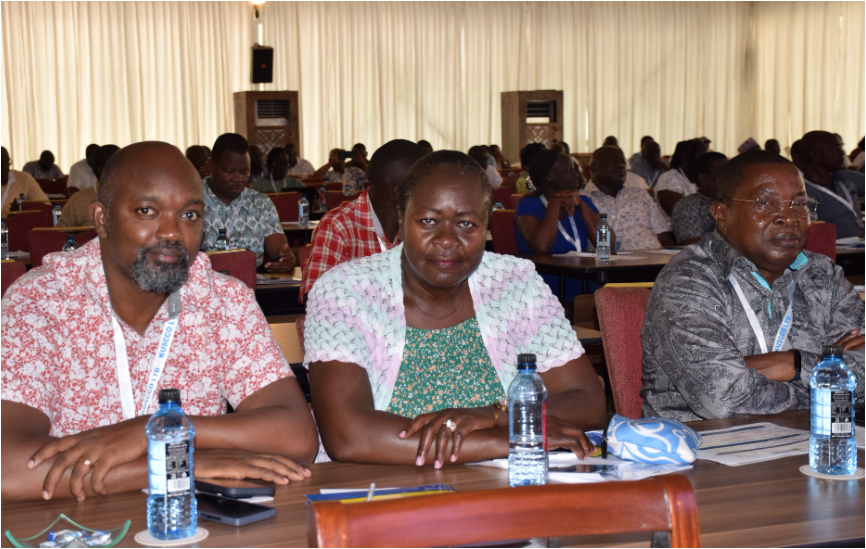
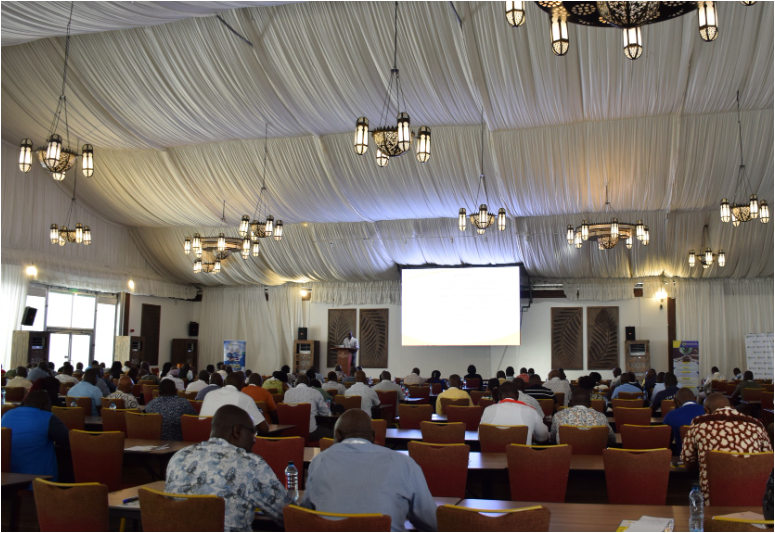
The session also provided moments of deep reflection, particularly on learning and growth. Mr. Odongo warned that leadership stagnation often begins subtly. “A leader who is not learning is slowly becoming irrelevant, and a SACCO that is not growing is silently dying,” he observed. He added that vision must be demanding to be meaningful, stating, “A vision that does not stretch you is too small for you.”
He challenged leaders to confront uncomfortable truths by asking themselves tough questions, including: “What comfort have you been protecting at the expense of greatness?”
On transformational leadership, Mr. Odongo stressed that leadership is first an identity before it becomes a position. “Leadership begins with who you believe you are inside,” he said. He cautioned against defining oneself purely by function, arguing that such thinking reduces leaders to “human doings” instead of “human beings.”
He described a visionary SACCO leader as one who anticipates member needs before they are expressed, adopts technology ahead of pressure, creates value before competitors catch up, and builds systems that can function even in their absence. “Great SACCO leadership requires vision, not maintenance,” he emphasized.
Mr. Odongo outlined key leadership shifts necessary for sustainable growth, including moving from control to empowerment, supervision to responsibility, instruction to inspiration, and followers to successors. He reminded leaders that effective leadership is not about personal brilliance. “Leadership is not about being the smartest in the room; it is about raising the smartest people in the room,” he said.
In a pointed conclusion, he warned against personality-driven institutions. “If your SACCO cannot function without you, it means you have not been building leaders, only dependents,” he said, adding that true greatness is measured by the quality of leaders produced, not by the number of people who rely on one individual.
The address left SACCO leaders with a clear challenge: to confront fear, act boldly, and invest in people-driven leadership if they are to move their institutions from good to truly great.