



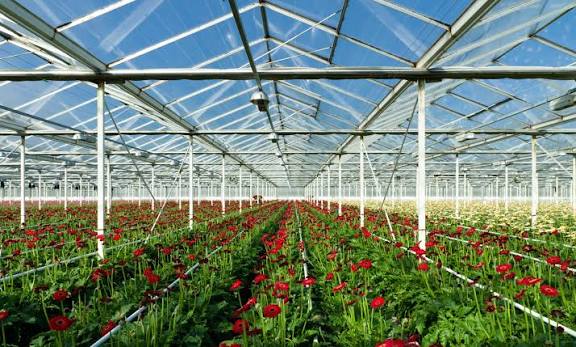
For years, Kenyan farmers who grow flowers, tea, coffee, fruits and vegetables for export have laboured under a system that often worked against them. Delayed tax refunds, high input costs, multiple levies and expensive logistics have eaten into farm incomes, slowed reinvestment and threatened livelihoods across rural Kenya.
Now, the government says relief is finally on the way.
Through the proposed Finance Bill 2026, the State has announced far-reaching interventions aimed at fixing what it calls a “broken exporter ecosystem” — changes that farmers and agricultural exporters say could be a game changer if fully implemented.
Speaking during the launch of Flamingo Group Investments’ (FGI) expansion project in Naivasha, Agriculture and Livestock Development Cabinet Secretary Mutahi Kagwe said the reforms were designed to make exporters competitive, liquid and capable of reinvesting back into farms.
“We are fixing the exporter ecosystem deliberately and permanently,” Kagwe said. “The Finance Bill 2026 will ensure that exporters of agricultural produce are competitive, liquid and able to reinvest in Kenya.”
For farmers, liquidity has long been the biggest pain point. Many export-oriented farms operate on thin margins while billions of shillings remain locked up in unpaid VAT refunds. This has meant delayed payments to growers, postponed upgrades in irrigation and cold storage, and in some cases, job losses.
Under the proposed bill, VAT on key export inputs will be cut from 16 per cent to 8 per cent — an immediate reduction in production costs for farmers supplying export markets. In addition, excise duty and export promotion levies on packaging materials such as kraft paper will be scrapped, lowering the cost of preparing produce for international markets.
Crucially, the bill will also allow long-established 100 per cent exporters to operate under Export Processing Zone (EPZ) and Special Economic Zone (SEZ) frameworks. This move will exempt their local purchases from VAT, easing pressure on cash flows throughout the value chain — from seed suppliers to transporters and smallholder out-growers.
Farmers are also expected to benefit from faster offsetting of VAT refunds against future tax liabilities, a reform that could finally end years of waiting for money already owed to them.
“These refunds are not government losses,” Kagwe emphasised. “They are working capital for reinvestment in farms, technology and jobs.”
The impact of delayed refunds is already visible. Flamingo Group Investments, one of the country’s largest horticultural exporters, currently has an outstanding VAT refund balance of KSh 1.8 billion. Of this, only KSh 470 million has been paid so far. For farmers in the supply chain, such delays translate into slower payments, reduced farm expansion and limited access to modern farming technologies.
Beyond taxes, the Finance Bill 2026 also targets logistics — a major cost for farmers exporting fresh produce. The government plans to expand air freight capacity through Kenya Airways and new international carriers, including Turkish Airlines. This is expected to stabilise cargo space, reduce freight costs and ensure produce reaches Europe and the UK fresh and on time.
The announcement came as Flamingo Group Investments unveiled a KSh 2 billion expansion programme in Naivasha. The project includes annual investments of KSh 644 million over the next three years and is expected to create 500 new direct jobs while expanding value-added bouquet production for export.
Flamingo Horticulture Kenya already employs more than 12,000 Kenyans directly and supports another 6,000 jobs across its supply chain, exporting over 750 million flower stems annually. Nationally, Kenya exports an estimated 60 million roses every day, making horticulture one of the country’s biggest foreign exchange earners.
Principal Secretary for Investment Promotion, Abubakar Hassan Abubakar, said exporters — and by extension farmers — are central to Kenya’s economic future.
“We are committed to removing bottlenecks that undermine investor confidence,” he said. “Exporters are at the heart of Kenya’s growth story.”
For farmers across Kenya’s rural counties, the Finance Bill 2026 offers renewed hope. If implemented as promised, the reforms could unlock billions of shillings, strengthen farm incomes, create jobs and position agriculture as the engine of export-led growth under the Bottom-Up Economic Transformation Agenda. For once, the promise is simple: let farmers keep more of what they earn — and reinvest it back into the soil.