

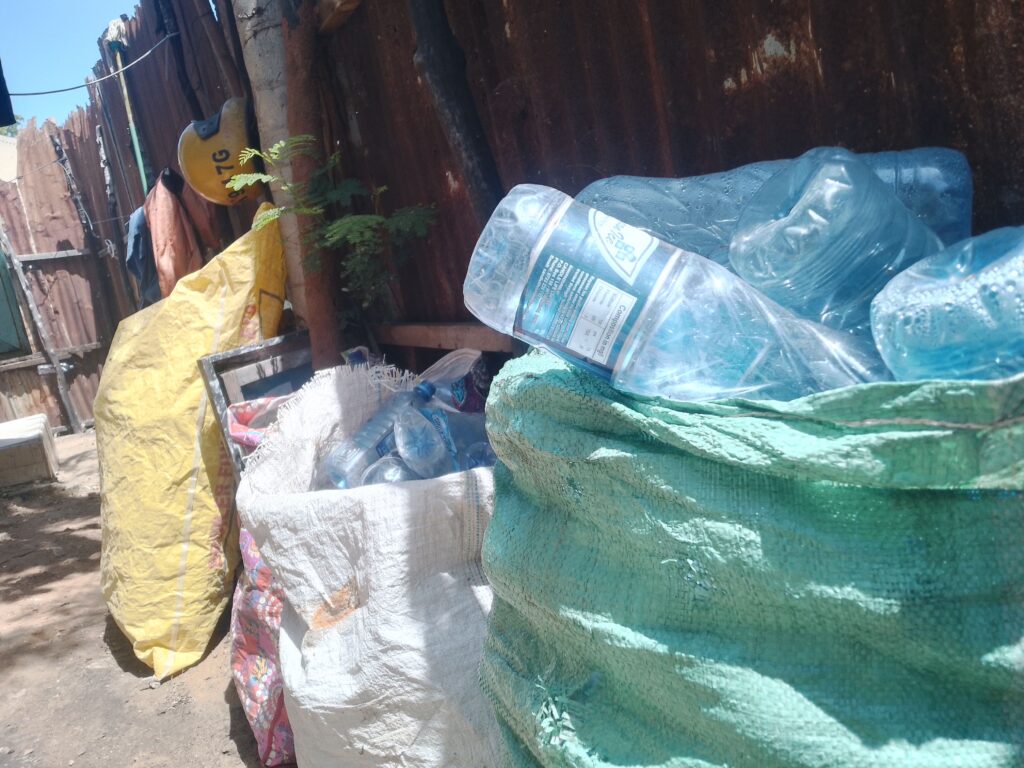
For Kenya’s young entrepreneurs, discarded plastics, agricultural residues, old clothes, electronic scrap and construction debris could become the raw materials for profitable businesses.
This is the opportunity presented by the circular economy, an economic model that promotes repairing, reusing, recycling and repurposing materials instead of following the traditional “take-make-dispose” approach.
Beyond environmental conservation, the model offers young people opportunities to establish businesses, create employment and participate in emerging green industries.
The concept is gaining momentum in Uasin Gishu County, where stakeholders have backed the implementation of the National Circular Economy Strategy and Implementation Plan (CESIP) 2026.
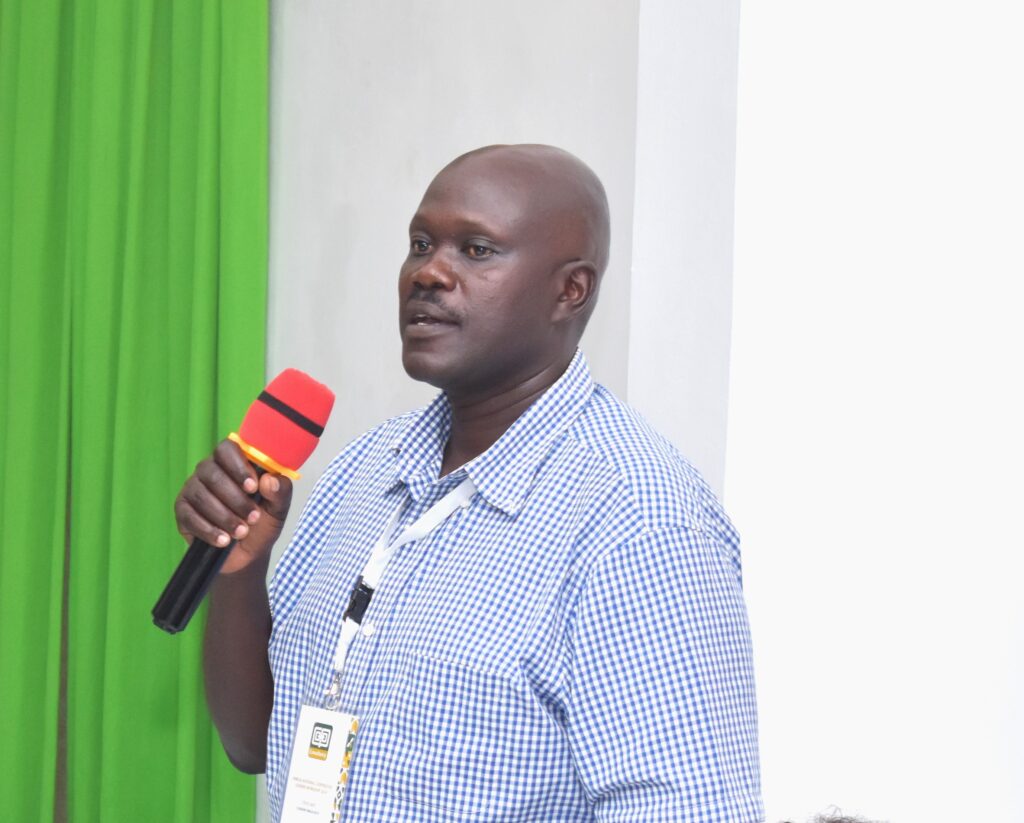
Speaking during a stakeholders’ meeting in Eldoret City, County Executive Committee Member for Water, Environment, Energy and Irrigation Anthony Sitienei said waste should be recognised as an economic resource.
“We cannot continue treating waste as a problem when it is actually an opportunity,” said Sitienei, noting that recovering value from discarded materials could create industries, protect natural resources and generate income for young people.
The opportunities range from collecting and supplying recyclable plastics and cartons to manufacturing products from recovered materials, repairing electronic equipment, producing compost from organic waste and transforming discarded textiles into reusable products.
Youth groups and cooperatives could also pool resources to invest in collection, sorting and processing facilities, creating employment across the waste value chain.
However, turning these opportunities into sustainable enterprises requires affordable financing, appropriate technology, technical skills, reliable supplies and access to markets.
Brian Lagat of the Kenya Private Sector Alliance (KEPSA) described circular economy as an industrialisation agenda, emphasising the importance of partnerships and investment in converting waste into products for local industries and export markets.
County Director of Environment Abigael Kibet called for coordinated implementation, including recycling infrastructure and support for green start-ups.
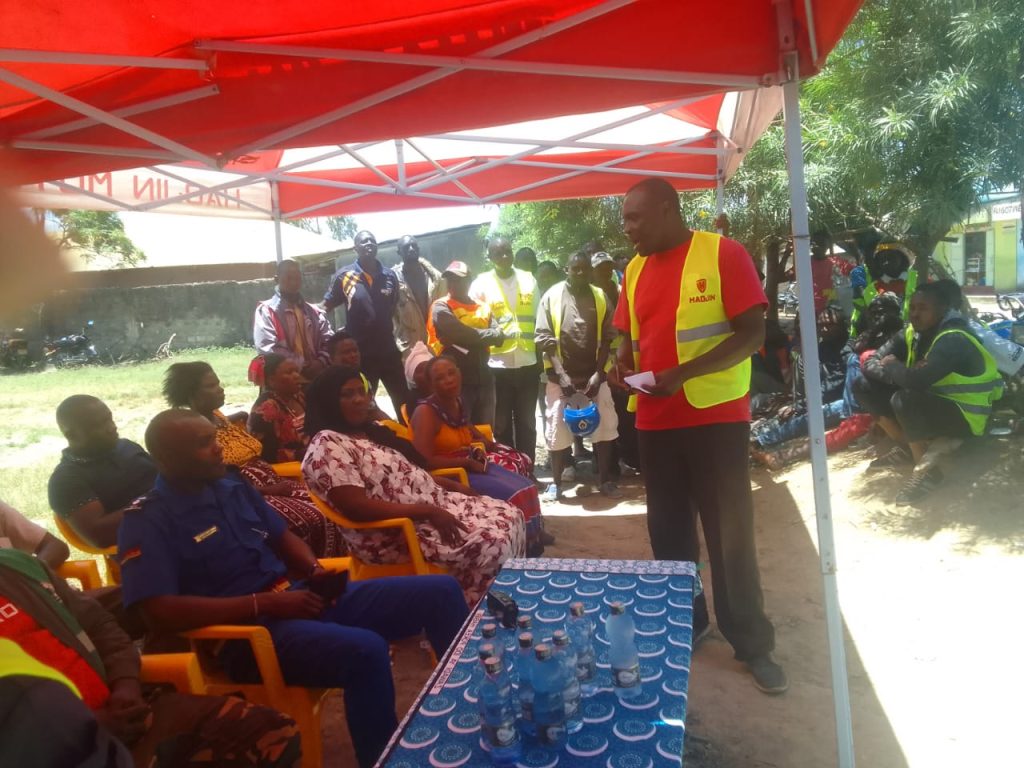
The meeting brought together government officials, academic institutions, private-sector representatives and youth organisations, including The X Generation Youth CBO and Horizon Rivers of Hope Youth CBO.
For Kenya’s youth, the circular economy presents an opportunity to move beyond job seeking and become business owners, manufacturers and innovators. Its success, however, will depend on whether policy commitments translate into accessible finance, functional infrastructure and viable markets for youth-led enterprises.