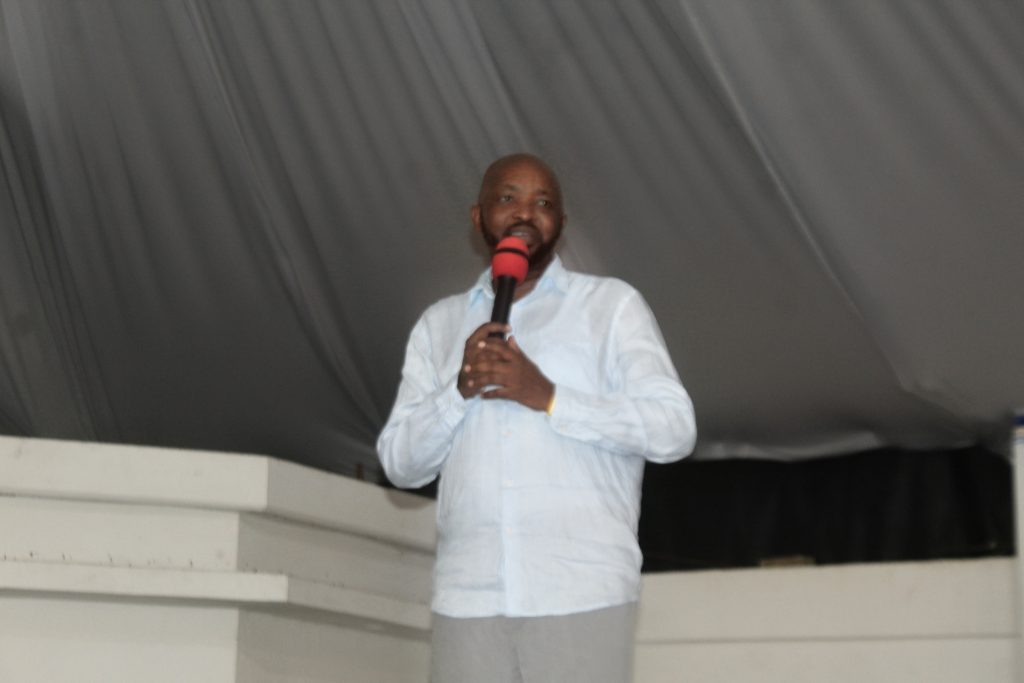

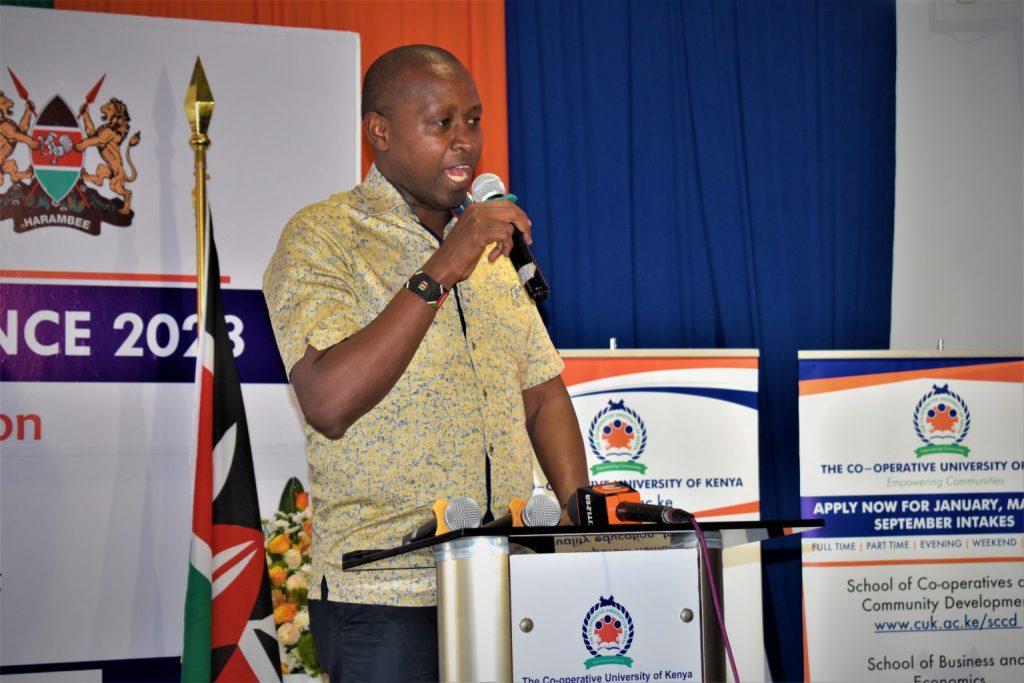

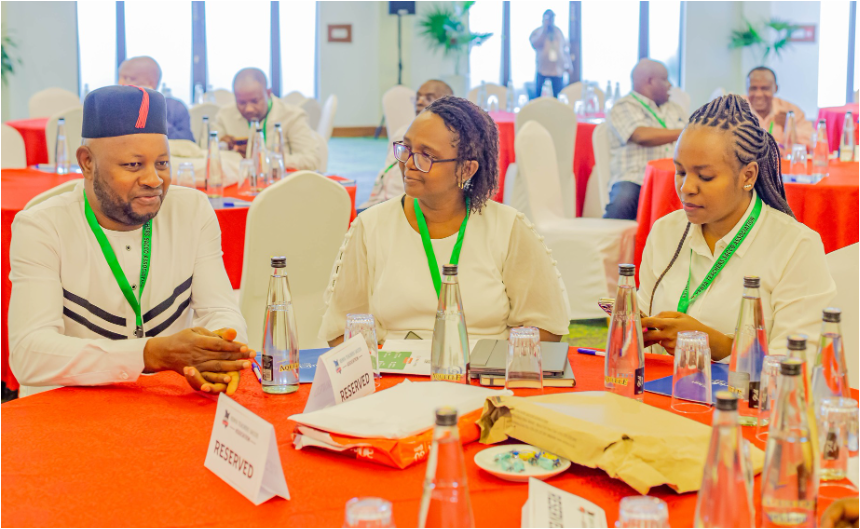
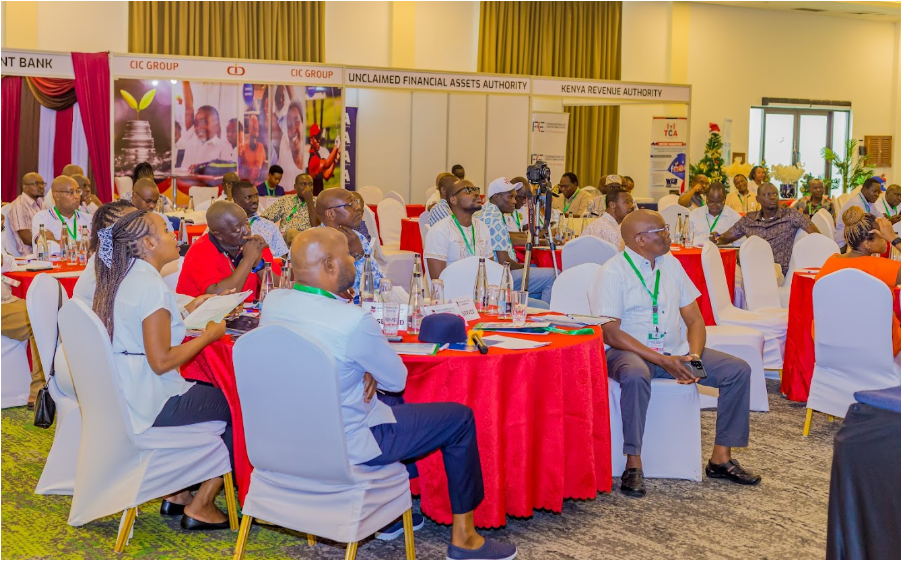
At the Kenya Teachers Sacco Association (KETSA) Leaders Conference recently in Mombasa, cooperative leaders were challenged to look beyond day-to-day management and interrogate a more profound question: what legacy will they leave behind when their tenure ends? This was the central theme of a compelling session delivered by Mr. Jeckones Donge, whose address blended personal financial responsibility, institutional sustainability, and long-term leadership vision into a powerful call for reflective and ethical leadership.
From the outset, Mr. Donge invited Sacco directors and senior managers to engage in honest self-assessment. Leadership, he argued, is not merely about occupying office or overseeing growth during one’s term, but about the lasting impact left on members, systems, and future generations. He posed a stark question to the audience: when a leader exits office, will they leave behind a prosperous membership and a resilient institution, or will their departure be met with relief rather than respect?
Central to Mr. Donge’s message was the inseparable link between personal financial discipline and effective leadership. He cautioned that leaders who mismanage their own finances undermine their moral authority and, by extension, the credibility of the institutions they serve. Poor loan utilization by leaders, he warned, often leads to financial distress, personal vulnerability, and compromised decision-making. Such situations, he noted, not only endanger leaders and their families but also expose the Sacco to reputational and operational risks.
According to Mr. Donge, personal financial management is not a private matter for Sacco leaders; it is a professional obligation. He emphasized the importance of sound cash-flow planning to enable individuals to sustain themselves between income cycles, as well as disciplined saving and strategic investment to secure long-term stability. Leaders who practice prudent financial behavior, he said, inspire confidence among members and encourage responsible borrowing, increased savings mobilization, and sustainable wealth creation across the Sacco. In his words, sustainable wealth ensures that both leaders and members benefit collectively from the cooperative model.
Addressing the misconception that financial literacy discussions are redundant among educated or formally employed members, Mr. Donge underscored the unpredictability of economic life. Salaried employees often assume uninterrupted employment until retirement, yet job losses can occur abruptly. Entrepreneurs may believe their businesses are immune to failure, until unforeseen circumstances prove otherwise. He observed that many people live beyond their means, pursuing lifestyles that are extravagant, wasteful, and ultimately destructive, while ignoring the fundamentals of financial planning.
To counter this, Mr. Donge outlined six critical pillars that shape financial stability: expenditure management, savings mobilization, loan intake, loan utilization, investment, and retirement planning. He stressed that neglecting any of these pillars creates imbalance, exposing individuals and institutions to long-term vulnerability.
Beyond personal finance, Mr. Donge emphasized the role of economic vision in driving sustainable growth. He argued that a leader’s vision determines whether a Sacco thrives beyond short-term gains. Visionary leadership, he explained, involves defining clear, well-costed projects with identifiable funding sources, realistic timelines, and actionable implementation strategies. Leaders must work with the end in mind, aligning saving, spending, and investment decisions with long-term goals that continue to generate income and stability for families and institutions alike.
One of the most impactful aspects of Mr. Donge’s presentation was his focus on succession planning as a core risk management tool. He described succession planning as a deliberate and structured process of identifying, developing, and preparing individuals to assume leadership roles when current leaders exit, whether through retirement, redeployment, dismissal, or unforeseen circumstances. Effective succession planning, he noted, ensures continuity, prevents leadership vacuums, and minimizes disruption to operations. It requires honest assessment of staff competencies, identification of skills gaps, and targeted capacity building to prepare future leaders in advance.
Mr. Donge went on to outline the characteristics of leadership that leaves a meaningful and positive legacy. Such leadership, he said, is anchored in strong governance structures, sound policies, and efficient systems. It delivers consistent business growth guided by transparency, accountability, and professionalism, while maintaining zero tolerance for mediocrity, favoritism, or tribalism. Most importantly, legacy-driven leadership prioritizes objective succession planning, planting seeds for institutional success long after individual leaders have exited office.
Leaders who embrace these principles, Mr. Donge observed, are remembered with respect and gratitude. They are missed when they leave, not celebrated for their departure.
Turning to the subject of retirement, Mr. Donge challenged several entrenched myths. No individual, he said, is indispensable to a well-run Sacco; institutions should be strong enough to outlive their leaders. However, he cautioned that leaders who fail to manage their finances prudently risk retiring into poverty, regardless of the stature they once held. Poor planning and misuse of loans can lead to financial crises in retirement, including property auctions, debt distress, and strained family relationships.
Yet his message was ultimately one of hope. With discipline, foresight, and intentional investment, leaders can retire into dignity and continued relevance. By investing wisely in themselves and their families, he concluded, leaders can remain economically productive and socially valuable well beyond their years in office.
Mr. Donge’s address left KETSA conference participants with a clear takeaway: true leadership extends beyond one’s term of service. It is measured not by titles held, but by the strength of the institutions built, the people empowered, and the sustainable legacies left behind.