


What you should look for before approving your SACCO’s financial statements at the AGM.
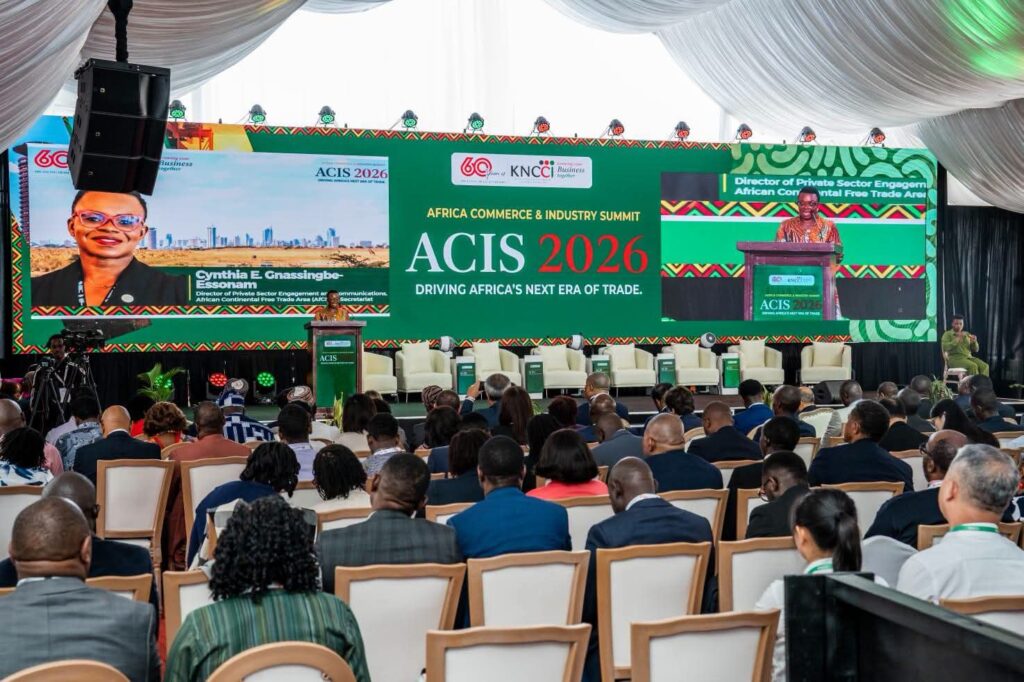
When you walk into your SACCO’s Annual General Meeting (AGM), you are not simply attending another routine meeting. You are participating in the governance of an institution that you co-own.
As a member, you have a stake in how your SACCO performs, how your money is managed and whether the decisions made on your behalf are being implemented.
One of the most important documents placed before you at the AGM is the independent auditor’s report.
But do you know what it actually tells you?
The auditor’s report is designed to give you an independent assessment of your SACCO’s financial statements and certain aspects of its operations. It helps you determine whether the financial information presented to you gives a reliable picture of the SACCO’s financial position and whether the institution has complied with relevant requirements.
Is your SACCO’s financial picture a true one?
Perhaps the first question you should ask when reading the auditor’s report is whether the financial statements give a true and fair view of your SACCO’s affairs.
This means looking beyond impressive figures and asking whether the financial statements fairly represent the SACCO’s income, expenses, assets, liabilities and overall financial position.
A SACCO may report growing assets or increased revenue, but you should still be interested in whether those figures are supported by proper records and accurately presented.
“The auditor’s report gives you an independent window into the financial health and accountability of your.
Are the accounts prepared according to the required standards?
Your SACCO does not prepare its financial statements in isolation. The accounts must comply with the applicable financial reporting framework.
The auditor therefore considers whether the financial statements have been prepared in accordance with the relevant accounting requirements.
For you as a member, this provides an important layer of assurance. It means the financial information presented at the AGM should follow recognized reporting principles rather than being prepared according to arbitrary methods.
Can the figures be supported by proper records?
Numbers appearing in a financial statement should have evidence behind them.
The auditor examines whether proper accounting records have been maintained and whether those records agree with the financial statements.
This is particularly important because accurate record-keeping is at the heart of financial accountability.
If your SACCO has strong systems for recording transactions, loans, savings, investments, income and expenditure, it becomes easier to track how members’ resources are being managed.
Poor or incomplete records, on the other hand, can make it difficult to establish the true financial position of the institution.
Is your SACCO operating within the law?
An auditor’s report also considers whether the SACCO’s business has been conducted in accordance with the law.
For you, this is an important governance issue.
Your SACCO exists within a regulatory and legal framework designed to protect members and promote sound management. Compliance therefore matters not only to regulators but also to you as a member.
A SACCO that disregards legal requirements exposes itself and its members to unnecessary risks.
Is the SACCO following its objectives and bylaws?
Your SACCO’s bylaws are more than a document kept in an office cabinet. They provide the rules governing how the institution operates.
The auditor considers whether your SACCO has operated in accordance with its objectives and bylaws.
This is important because the SACCO belongs to its members. Its activities should therefore remain aligned with the purposes for which members formed and invested in the cooperative.
If you notice activities that appear inconsistent with the SACCO’s objectives or bylaws, the AGM gives you an opportunity to seek clarification.
Are your AGM resolutions being respected?
When you attend an AGM and members pass resolutions, those decisions should not simply disappear once the meeting ends.
The auditor’s report also considers whether resolutions passed by members in general meetings have been respected.
This gives you an important governance tool.
You can look back at previous AGM resolutions and ask: What did members decide, and what has actually been done?
If a resolution was passed on a particular matter, you have every reason to ask about its implementation.
Did the auditor receive enough information?
An auditor cannot conduct an effective audit without adequate information and explanations.
The report therefore indicates whether sufficient information and explanations were provided during the audit.
This is an area you should not overlook.
Where an auditor raises concerns about inadequate information or explanations, you should pay attention. It may indicate that the auditor encountered difficulties obtaining the evidence needed to complete the audit effectively.
Were there any limitations to the audit?
Sometimes an auditor may not be able to obtain all the evidence required to fully examine a particular matter.
The auditor’s report should disclose any material limitations that affected the audit.
This does not automatically mean that something is wrong with your SACCO. However, a significant limitation deserves your attention because it may affect the auditor’s ability to form a complete conclusion.
As a member, you should seek clarification rather than simply overlooking such a statement.
Your AGM, Your Questions.
You do not have to be an accountant to participate meaningfully in your SACCO’s AGM.
You only need to understand the key questions you should ask.
READER TIP: Before the AGM.
Read the auditor’s report before the meeting. Don’t wait until the financial statements are being presented. If the documents are provided in advance, take time to read them and identify issues you do not understand.
During the AGM.
Listen for qualifications, limitations and concerns. Not every auditor’s report is identical. Pay particular attention to areas where the auditor raises reservations, limitations or other matters requiring explanation.
TIP: Ask for clarification.
If you do not understand an accounting term, figure or observation in the report, ask. You are a member and have a legitimate interest in understanding your SACCO’s financial affairs.
TIP: Compare promises with action.
Look at previous AGM resolutions and compare them with what the board and management have reported. This can help you determine whether members’ decisions are being implemented.
TIP: Don’t focus only on profits.
A SACCO can report impressive financial results while still facing governance, compliance or operational challenges. Look at the auditor’s report as a whole rather than focusing only on profit or asset growth.
The Report Is Your Accountability Tool.
The independent auditor’s report should not be treated as just another document to be tabled, approved and forgotten.
It is an important accountability instrument.
As a SACCO member, you have a responsibility to take an interest in the institution you co-own. Understanding the auditor’s report allows you to participate more effectively in decision-making and to hold the board and management accountable.
The next time you attend your SACCO’s AGM, don’t just ask whether the SACCO made a profit.
Ask a bigger question:
What does the independent auditor’s report tell me about the way my SACCO is being managed?
That question could help you become a more informed, engaged and responsible SACCO member.
“Your membership gives you more than access to savings and loans. It gives you a voice in how your SACCO is governed.”
YOUR QUICK AUDITOR’S REPORT CHECKLIST.
Before approving the financial statements, ask yourself:
Do the financial statements give a true and fair view?
Do the accounts comply with the applicable reporting framework?
Have proper accounting records been maintained?
Do the accounting records agree with the financial statements?
Has the SACCO conducted its business according to the law?
Has it operated according to its objectives and bylaws?
Have members’ AGM resolutions been respected?
Did the auditor receive sufficient information and explanations?
Were there any material limitations affecting the audit?
If you can answer these questions, you are not just attending your AGM—you are actively participating in the governance of your SACCO.