


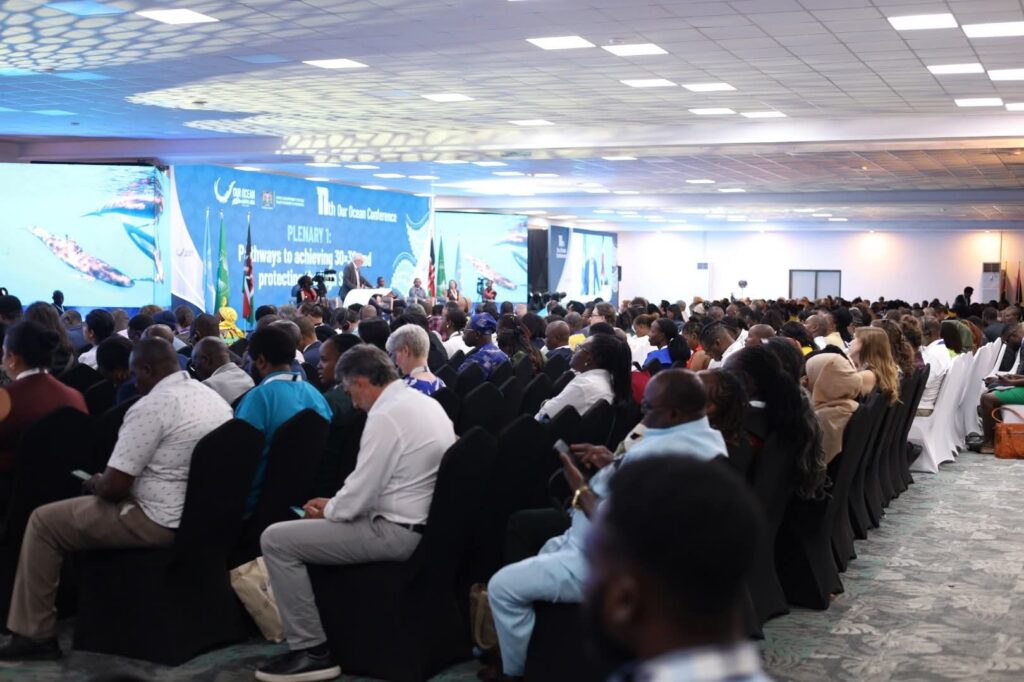
The coastal city of Mombasa this week became the global stage for discussions on the future of the ocean economy as Kenya hosted the 11th Our Ocean Conference, the first time the prestigious gathering has been held on African soil.
Beyond environmental conservation, the conference spotlighted how co-operatives, small and medium enterprises (SMEs), fisherfolk organizations, and coastal communities can play a central role in unlocking sustainable economic opportunities from the ocean while safeguarding marine resources for future generations.
Held under the theme “Our Ocean, Our Heritage, Our Future,” the conference brought together world leaders, policymakers, investors, innovators and maritime stakeholders to explore ways of transforming ocean resources into inclusive economic growth.
Deputy President Prof. Kithure Kindiki officially opened the conference on behalf of President William Ruto.
In a video address to delegates, President Ruto emphasized the urgent need to protect the ocean while ensuring that conservation efforts generate meaningful economic opportunities for communities.
“Kenya is already at work. We are restoring mangroves, cleaning our waters, reforming fisheries and strengthening ocean governance. We are opening the door to Blue Finance, Science and Innovation so that conservation creates opportunity,” he said.
The President urged development partners to support efforts aimed at protecting 30 percent of the world’s oceans by 2030, invest in industries that create decent jobs and restore ecosystems, and strengthen the fight against illegal, unreported and unregulated fishing.
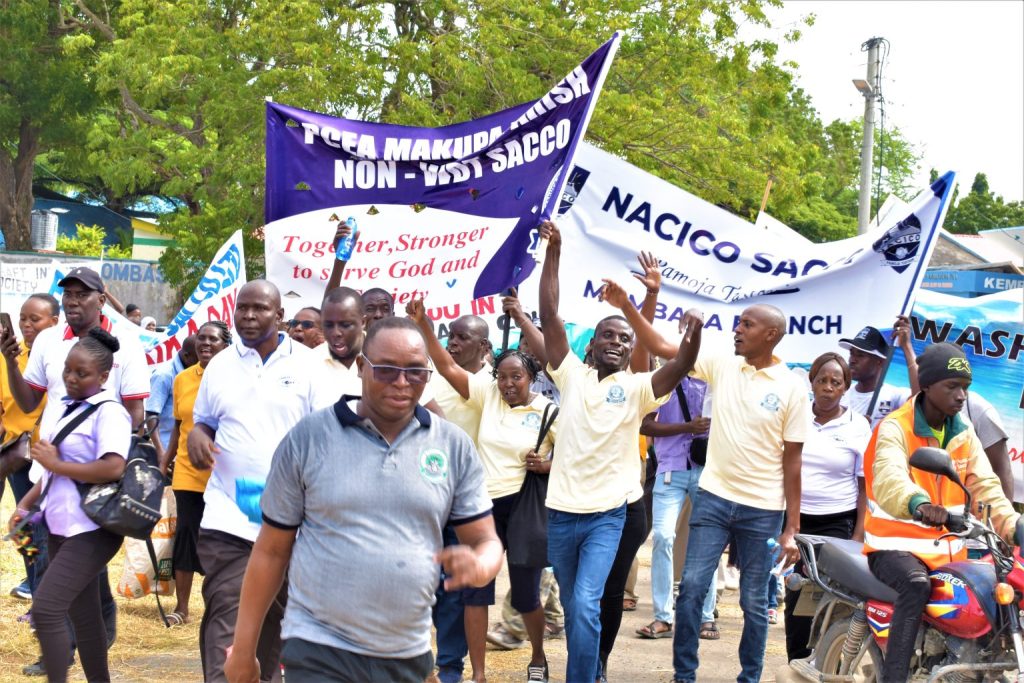
His remarks resonated strongly with Kenya’s growing network of fisheries co-operatives, beach management units, maritime enterprises and community-based organizations that depend on healthy marine ecosystems for their livelihoods.
Prof. Kindiki described the ocean as more than an ecological asset, calling it a cornerstone of national identity, economic prosperity and regional stability. He noted that millions of livelihoods across East Africa depend directly or indirectly on ocean-linked industries.
For co-operatives and SMEs operating in fisheries, aquaculture, tourism, transport, logistics and value addition, the Deputy President said sustainable management of marine resources is critical for long-term business growth and employment creation.
He pointed to the Port of Mombasa as a vital economic gateway whose influence extends far beyond Kenya’s borders.
“Every container handled at the Port of Mombasa is not just a logistical statistic; it represents livelihoods and connects millions of people across East Africa,” he said.
The port remains a key enabler of trade for thousands of small businesses, co-operative enterprises and manufacturers who rely on efficient logistics to access regional and international markets.
However, Prof. Kindiki warned that rising sea temperatures, marine pollution, biodiversity loss and illegal fishing threaten both environmental sustainability and the economic wellbeing of coastal communities.
He said the government has adopted a multi-pronged strategy that includes mangrove restoration, ocean clean-up initiatives and advocacy for increased access to global blue financing.
“These measures are aimed at ensuring that our oceans continue to support economic growth while remaining sustainable for future generations,” he said.
The conference seeks to bridge the gap between commitments and action by promoting investments that place jobs, entrepreneurship, community empowerment and environmental stewardship at the centre of ocean governance.
For Kenya, this presents significant opportunities for co-operatives and SMEs involved in fisheries, fish processing, maritime transport, eco-tourism, marine conservation, boat building and other blue economy value chains.
Participants are expected to explore practical strategies for attracting investments that can expand market access, strengthen value addition and improve incomes for coastal communities while protecting marine ecosystems.
The forum is also advancing collaborative approaches to combat illegal, unreported and unregulated fishing—a challenge that has long undermined the earnings of small-scale fishers and fishing co-operatives across the region.
Former U.S. Secretary of State John F. Kerry urged delegates to move beyond pledges and accelerate implementation, noting that the ocean can no longer remain on the periphery of global climate discussions.
Meanwhile, Cabinet Secretary for Investments, Trade and Industry Lee Kinyanjui highlighted the immense opportunities available in Kenya’s maritime sector.
He noted that reducing cargo transportation time and improving shipping connectivity would significantly lower the cost of doing business, boost trade and accelerate economic integration under the African Continental Free Trade Area (AfCFTA).
The Cabinet Secretary said the Ports of Mombasa and Lamu are strategically positioned to handle growing cargo volumes and serve as regional logistics hubs, creating opportunities not only for multinational investors but also for local enterprises, co-operatives and youth-led businesses seeking to participate in the expanding blue economy.
“We therefore welcome investors and partners interested in shipping, logistics, port infrastructure and the broader blue economy,” he said.