


Mafanikio Deposit-Taking (DT) Sacco has officially embarked on a major governance transformation with the adoption of a full delegates system, signaling a new era of structured leadership, accountability, and strategic growth.
The move, which marks a significant milestone in the Sacco’s nearly 50-year history, shifts the institution from a direct member participation model to a representative governance structure. The transition is aimed at improving efficiency and strengthening decision-making as the Sacco continues to expand in membership, assets, and operational complexity.
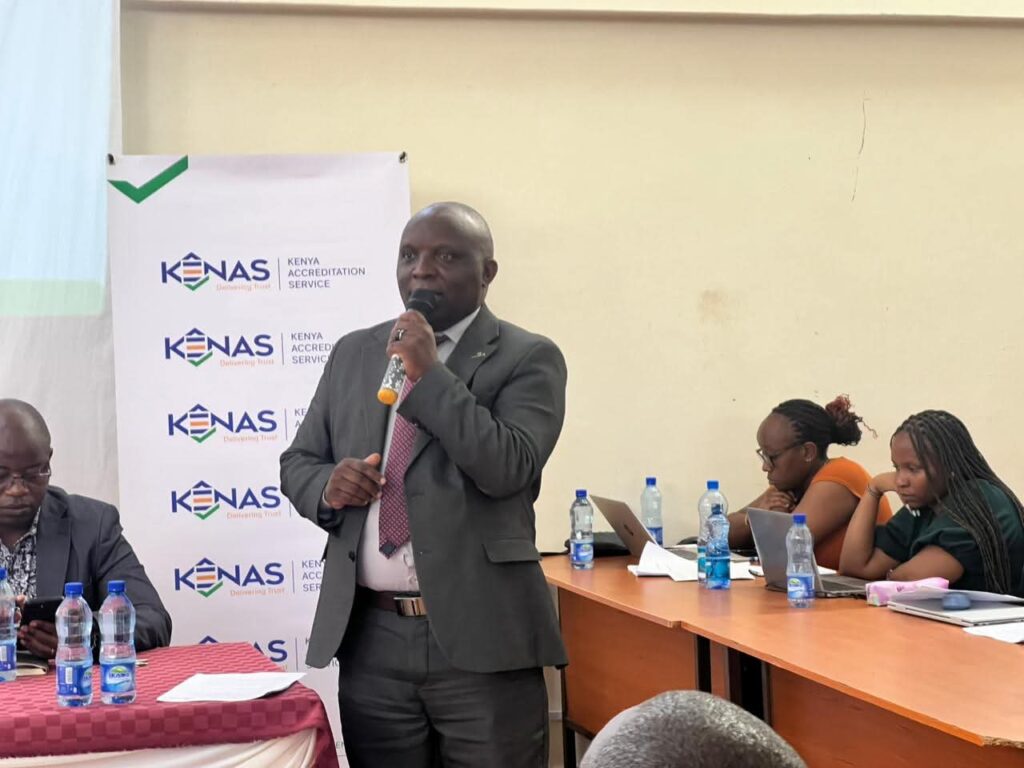
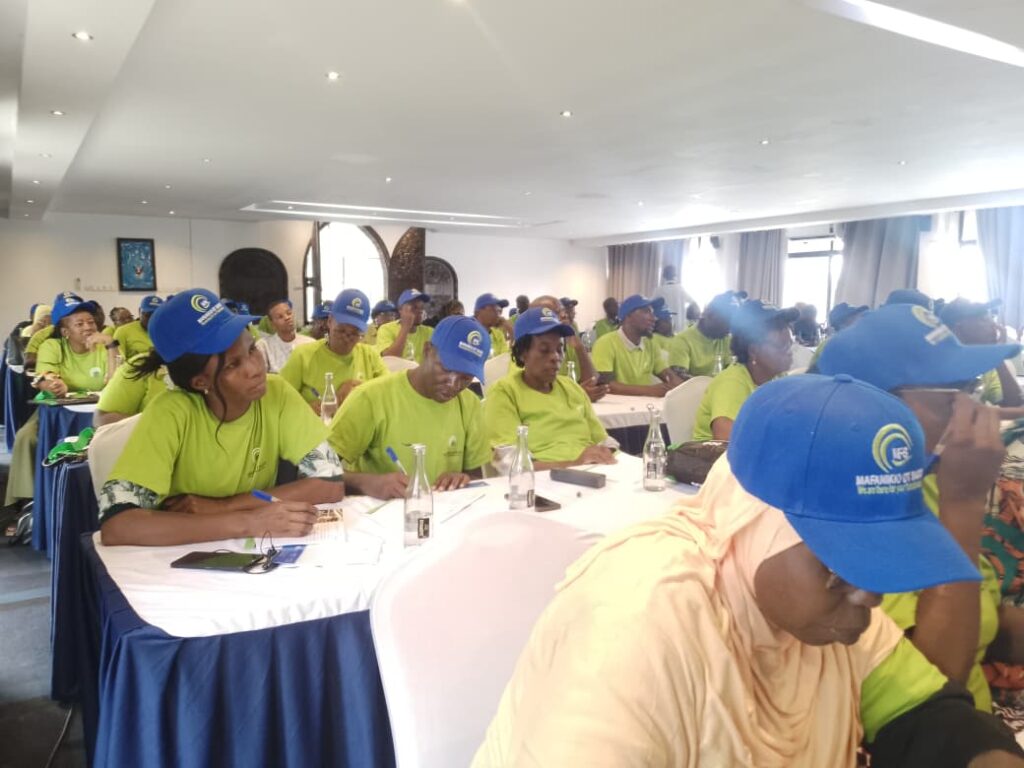
To formalize the new structure, Mafanikio DT Sacco recently held a training session for 104 inaugural delegates, facilitated by Mombasa County Cooperative Director Nelson Nyoro. The session laid the foundation for the Sacco’s 2025/2026 strategic direction under the new governance framework.
A Strategic Response to Growth
The introduction of the delegates system is largely driven by the Sacco’s consistent growth over the years. As membership and operations expand, direct involvement of all members in governance becomes increasingly impractical.
The new structure is designed to streamline leadership while ensuring members remain effectively represented through elected delegates who carry both financial commitment and decision-making responsibility.
According to Sacco leadership, this transition is not just administrative, it is strategic. It is intended to position Mafanikio DT Sacco as a more agile, responsive, and professionally governed financial institution capable of executing long-term growth plans.


Delegates as “Insiders” with Greater Responsibility
One of the most significant changes under the new system is the reclassification of delegates as “insiders” within the institution. This status introduces heightened regulatory scrutiny, particularly around insider lending and governance compliance.
Delegates are now responsible for key decisions affecting thousands of members, including budgets, interest rates, and strategic priorities. Their role is no longer symbolic but central to the Sacco’s governance and performance.
During the training, it was emphasized that leadership within a financial cooperative requires integrity, discipline, and accountability. Delegates are expected to uphold high professional standards, as their words and actions directly reflect the institution.
A performance framework was also introduced, focusing on tracking delegate impact through member growth, geographical representation, and contribution to the Sacco’s overall performance.
Preserving Experience While Embracing Change
While the system introduces new leadership structures, Mafanikio DT Sacco has ensured continuity by incorporating experienced former leaders into the delegate body. This approach preserves institutional memory while supporting mentorship for new delegates.
This blend of experience and new leadership is intended to strengthen stability while allowing the Sacco to adapt to modern financial challenges and opportunities.
Driving Digital Transformation
A key focus of the new governance era is digital transformation. Delegates have been encouraged to champion the adoption of mobile banking and digital platforms to improve accessibility and efficiency.
The Sacco recognizes that modern members—especially younger demographics—demand faster, more convenient financial services. As a result, digital innovation is now central to its growth strategy.
The institution is also working closely with regulators to ensure that new compliance requirements and operational costs do not hinder technological advancement or service delivery.

Social Impact at the Core
Beyond financial performance, Mafanikio DT Sacco has reaffirmed its commitment to social transformation. Delegates are encouraged to focus not only on dividends and financial returns but also on real member impact.
This includes enabling members to fund education, grow small businesses, and improve household livelihoods through accessible credit facilities.
The Sacco emphasized that true success lies in improving the quality of life for members, not just in balance sheet growth.
Strengthening Communication and Unity
Leadership also highlighted the importance of clear and unified communication across the institution. Delegates were reminded that breakdowns in communication can pose serious risks to organizational stability.
They are expected to act as a bridge between leadership and members, ensuring that strategic direction is clearly understood and effectively implemented at all levels.
Oversight and Accountability
The Supervisory Committee plays a key role in the new governance structure, acting as an internal watchdog to ensure compliance, transparency, and accountability.
Delegates were encouraged to maintain open communication with the committee and management to safeguard member interests and strengthen institutional trust.
Looking Ahead
As Mafanikio DT Sacco prepares for its first Annual Delegate Meeting (ADM) under the new system, the message is clear: the era of passive membership is over.
Delegates now serve as active decision-makers shaping the Sacco’s future direction. The transition is expected to enhance governance efficiency, improve accountability, and support faster strategic execution.
With this new structure in place, Mafanikio DT Sacco is positioning itself for a stronger, more professional, and more responsive future driven by leadership that is both accountable and deeply connected to member needs.