



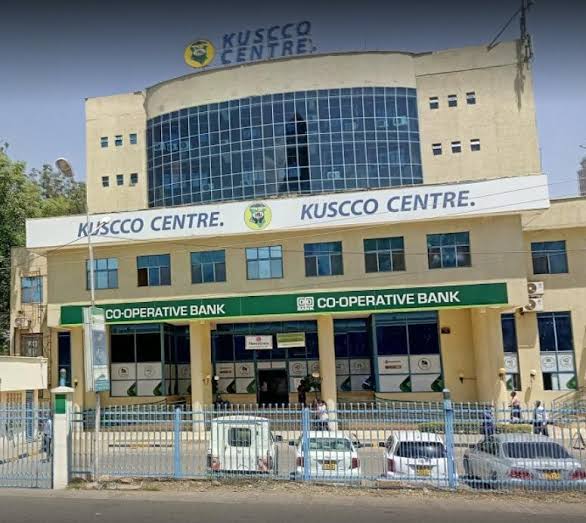
The Kenya Union of Savings and Credit Co-operatives (KUSCCO) has intensified its campaign for tax reforms aimed at protecting millions of SACCO members from increased financial pressure, warning that additional taxation on internal SACCO transactions could make borrowing more expensive and weaken household incomes.
Following extensive consultations with SACCOs across the country, KUSCCO formally submitted the sector’s consolidated recommendations on the Finance Bill 2026/27 to the National Assembly, outlining a series of proposals designed to safeguard the cooperative movement and strengthen financial inclusion.
The umbrella body for SACCOs argued that imposing taxes on internal cooperative transactions would ultimately transfer the burden to ordinary Kenyans through higher loan costs, reduced dividends, and more expensive financial services at a time when households are already grappling with the rising cost of living.
According to KUSCCO, SACCOs play a unique role in Kenya’s economy by mobilizing savings, extending affordable credit, and supporting small businesses, farmers, salaried workers, and informal sector entrepreneurs who may not easily access conventional banking services.
Among the key proposals submitted to Parliament is the expansion of the definition of “designated primary co-operative societies” under the Income Tax Act. KUSCCO wants the law amended to recognize co-operatives whose membership includes individuals, groups, and corporate entities, arguing that the current definition does not adequately reflect the evolving structure of modern cooperatives.
The organization is also seeking the preservation of existing legal safeguards that prevent the Kenya Revenue Authority (KRA) from issuing agency notices against taxpayers who have properly lodged appeals. KUSCCO says removing such protections could expose SACCOs and businesses to financial disruptions before disputes are fully determined through legal channels.
In addition, the cooperative movement is pushing for amendments to the Excise Duty Act to exclude fees, commissions, and charges earned by SACCOs from their own members from the definition of “other fees” subject to excise duty. Sector players maintain that taxing member-based transactions contradicts the cooperative principle of mutual support and unnecessarily increases operational costs.
KUSCCO has further proposed widening individual income tax bands and raising the tax-exempt threshold in a move aimed at easing pressure on low- and middle-income earners. The recommendations come amid growing concerns over shrinking disposable incomes and increasing economic strain on households.
The SACCO sector remains one of Kenya’s most influential financial pillars, with millions of members and assets running into trillions of shillings. Over the years, SACCOs have become a major driver of financial inclusion by providing accessible savings and credit services in both urban and rural areas.
Industry stakeholders argue that stable and supportive tax policies are critical for sustaining the growth of cooperatives, especially as SACCOs continue embracing digital financial services, expanding lending to small enterprises, and supporting government efforts to promote grassroots economic empowerment.
KUSCCO reiterated its commitment to engaging policymakers in shaping laws that protect cooperative societies while supporting national economic development. The organization expressed optimism that Parliament would consider the sector’s recommendations during deliberations on the Finance Bill 2026/27. The proposals now add to the broader national debate surrounding the Finance Bill, which continues to attract attention from businesses, workers, and various economic sectors seeking relief from increasing taxation and a more balanced fiscal framework.