



In recent years, Savings and Credit Cooperative Societies (SACCOs) in Kenya have emerged as powerful engines of economic empowerment, positively impacting both local communities and the broader Kenyan economy. SACCOs have played a pivotal role in transforming the financial landscape and improving the lives of countless Kenyans.
SACCOs have a rich history in Kenya, dating back to the early 20th century when the first cooperative societies were established. Over the years, SACCOs have grown exponentially, with over 14,000 registered SACCOs as of the last available data. These organizations operate in both rural and urban areas, serving a diverse range of members, from small-scale farmers and traders to salaried employees and business owners.
SACCOs have played a crucial role in enhancing financial inclusion in Kenya. By providing accessible and affordable financial services to people in underserved areas, they have allowed marginalized communities to participate in the formal financial sector. This has helped reduce the reliance on informal money lenders, thereby preventing the vicious cycle of debt.
They encourage a savings culture among their members. Through regular contributions, members build up savings that can be used for various purposes, such as investment in income- generating activities, education, and healthcare. This not only fosters economic stability among individuals but also contributes to the stability of local economies.
One of the most significant contributions of SACCOs is their provision of credit facilities to members. These loans are often offered at competitive interest rates, making them more affordable than loans from traditional banks. Access to credit empowers members to start or expand businesses, purchase assets, or address emergency financial needs.
SACCO loans have facilitated entrepreneurship, leading to the creation of small and medium- sized enterprises (SMEs). These businesses, in turn, generate employment opportunities within local communities, helping to reduce unemployment rates and alleviate poverty.
SACCOs often invest in community development initiatives. They sponsor education programs, health clinics, and infrastructure projects in their respective areas, contributing to overall improvements in the quality of life for local residents.
While SACCOs have made remarkable strides in improving local economies, there is still room for growth and enhancement of their impact.
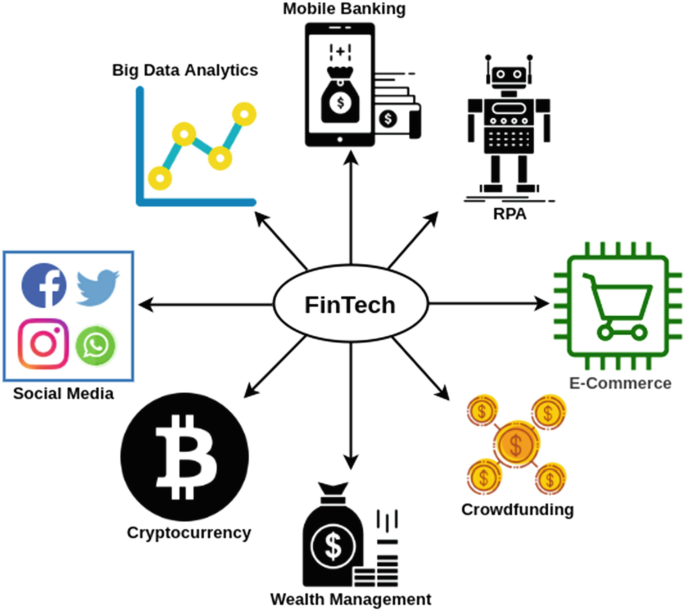
Embracing digital technology can help SACCOs provide more efficient and convenient services to their members. Online banking, mobile apps, and digital payment platforms can simplify transactions and improve access to financial services, especially in remote areas.
SACCOs can expand their educational programs to include financial literacy initiatives. This will empower members to make informed financial decisions and maximize the benefits of their SACCO membership.
They can expand their product offerings beyond traditional savings and loans. Introducing insurance, investment, and pension products can provide a more comprehensive suite of financial services to members.
SACCOs should continue to focus on risk management and governance to ensure the sustainability of their operations. This includes prudent lending practices, effective credit risk assessment, and strong internal controls.
SACCOs have become integral players in Kenya’s local economies, offering financial services that empower individuals and communities. Over the past few years, they have positively impacted the lives of many, contributing to economic growth and development. By embracing digitalization, enhancing financial literacy programs, diversifying their product offerings, and strengthening risk management, SACCOs can further expand their reach and influence, ultimately benefiting even more Kenyan citizens and the nation as a whole. As SACCOs continue to evolve, they will remain a beacon of hope for economic progress and financial inclusion in Kenya.
Share this story: