



“If you want to build a future-ready SACCO, don’t just invest in systems. Invest in people—and the culture that supports them.”
When SACCO CEOs gather to discuss growth, digital transformation, and innovation, culture often remains in the background—if it’s mentioned at all. But during the 20th Annual National Cooperative CEOs Workshop 2025 that narrative shifted in a big way.
In a deeply compelling session, Ms. Catherine Igathe, Managing Director and Founder of Fit2Lead, placed culture firmly at the center of SACCO performance conversations. Her presentation, titled “Organizational Culture as a Driver of Performance and Excellence,” offered a bold and timely reminder: culture is not just a soft value—it is a strategic weapon that can determine whether a SACCO thrives or stagnates.
“Every SACCO has a culture—whether by design or by default,” Ms. Igathe said. “The question is: is it helping or hurting you?”
The Culture Spectrum: From Surface to Soul
Ms. Igathe introduced a transformative model outlining the three levels of organizational culture, which determine how engaged and empowered a SACCO’s workforce truly is:
- Complaisance – Going Along to Get Along
This is the most superficial level. Employees don’t resist, but they don’t contribute meaningfully either. Tasks are done out of habit or passive acceptance.
“In this space, people avoid problems, but they don’t solve them,” she cautioned.
- Compliance – Doing It Because You Have To
Here, staff adhere to rules due to fear of consequences or pressure. This creates structure but lacks initiative or emotional ownership.
“Compliance gets the job done—but it rarely gets it done well,” she warned.
- Commitment – Doing It Because You Believe
At this highest level, staff work with passion and purpose. They embrace the SACCO’s goals as their own and often go above and beyond.
“Committed teams innovate, adapt, and protect the culture themselves. They are your best defense against disruption.”
Her message to SACCO leaders was pointed and clear:
“If your culture is stuck in compliance, you will not win in the age of flexible, purpose-driven work.”


Shaping a Culture That Works
Ms. Igathe urged leaders to stop viewing culture as a side issue and instead treat it as core infrastructure—just as essential as technology or finance. She outlined clear strategies for cultivating healthy organizational culture:
- Be the Culture You Want: Leadership behavior must mirror the values the SACCO aims to promote.
- Celebrate Progress: Acknowledge and reward effort, learning, and innovation—not just outcomes.
- Listen Actively: Build systems that make staff feel heard, respected, and safe to speak up.
- Train Continuously: Invest in growth and learning across all levels of the organization.
- Stay Flexible: A rigid management approach stifles culture; openness fosters growth and resilience.
“Culture doesn’t change by command,” she emphasized. “It evolves through consistency, care, and courage.”
The Modern Workforce, Modern Expectations
Ms. Igathe also connected the cultural conversation to broader societal shifts, especially the influence of digital behavior. Today’s SACCO members are tech-savvy, fast-paced, and comparison-oriented. They want efficiency, transparency, and personalized service—and staff increasingly expect the same from their workplaces.
“Staff see what modern work looks like. If your SACCO feels outdated or uninspired, they will disengage—or leave.”
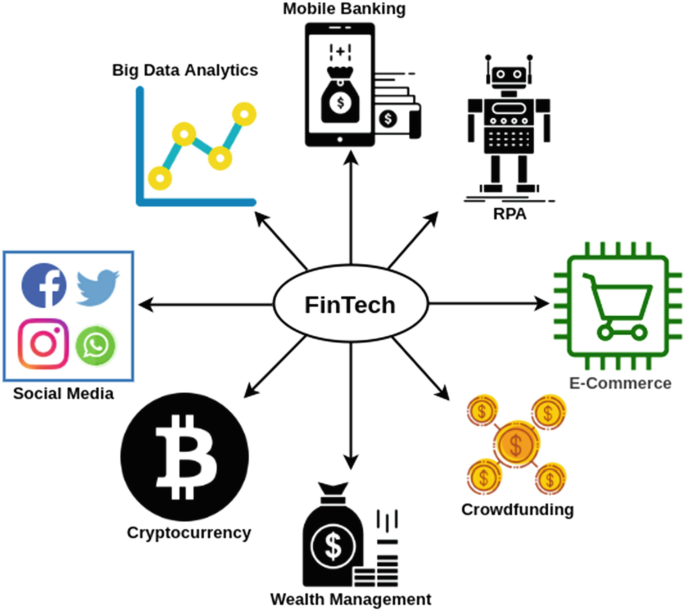
She warned that SACCOs are no longer just competing for customers—they are also in a war for talent. Fintech companies and tech-forward institutions offer dynamic environments that attract top performers. For SACCOs to remain relevant and desirable employers, cultivating an adaptive, empowering culture is no longer optional—it’s urgent.
Culture Is Your Everyday Brand
To conclude, Ms. Igathe left the audience with a powerful reflection:
“Your members may never read your mission statement. But they will feel your culture the moment they walk in, call your office, or interact with your staff.”
Ultimately, a SACCO’s internal culture shapes its external brand. It drives member trust, staff engagement, and institutional resilience. In a world where products and technology can be copied, culture remains the one enduring differentiator—the true competitive edge.