
Across Kwale County, a quiet but powerful economic shift is underway—one led by women. Increasingly, women-owned enterprises are moving beyond survival businesses to become competitive players in formal markets, including public procurement. This transformation is reshaping households, communities, and the county’s broader development trajectory.
At the heart of this progress is a growing recognition that women’s economic empowerment is not just a gender issue, but a development imperative.
From Micro-Enterprises to Market Leaders.
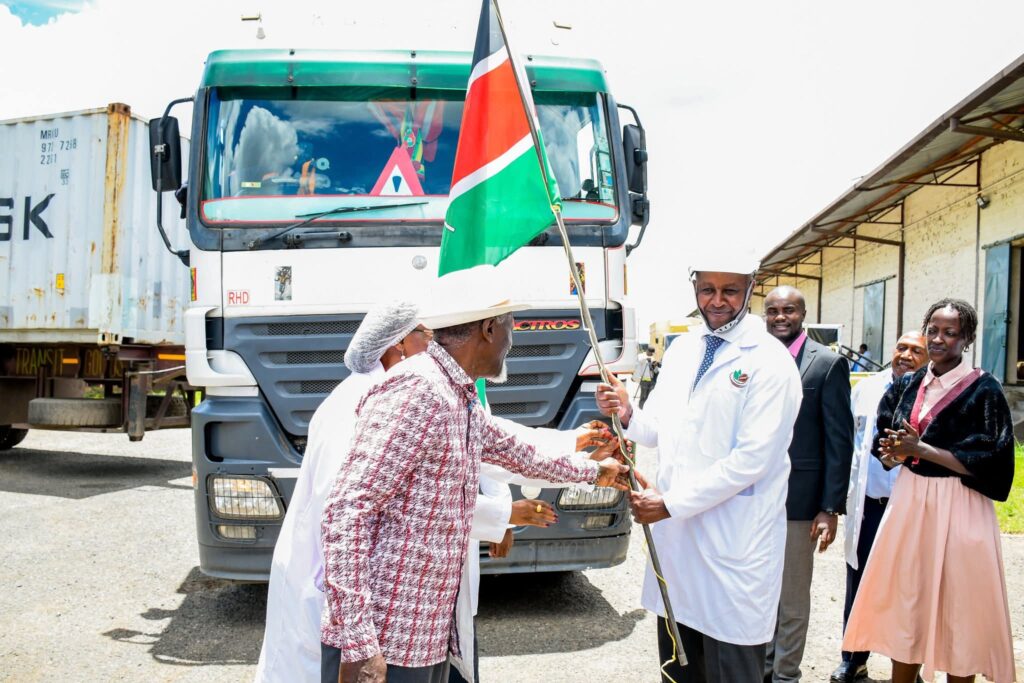
Women entrepreneurs in Kwale are steadily breaking barriers that have historically limited their participation in large-scale business. Nearly 200 women-owned companies are now actively supplying goods and services to the county government, a milestone that reflects improved access to skills, finance, and institutional support.
This shift demonstrates what happens when women are equipped not only with capital, but also with the confidence, knowledge, and networks required to compete in formal and often male-dominated economic spaces.
Building Skills That Unlock Opportunity.
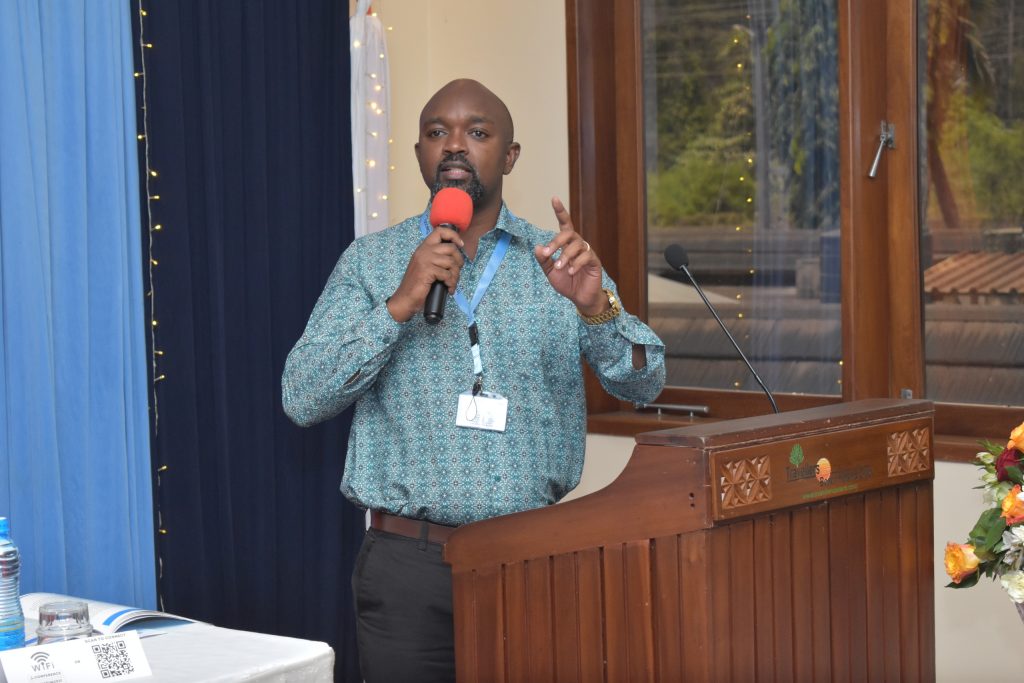
One of the most effective drivers of this transformation has been targeted capacity-building. Through structured business management programmes, women entrepreneurs are gaining practical skills in financial management, digital tools, compliance, and strategic planning—skills that are essential for scaling enterprises and meeting procurement standards.
Graduation from such programmes represents more than the completion of a course. It marks a transition from informal trading to sustainable entrepreneurship, where women are better positioned to win contracts, manage growth, and create jobs.
Partnerships between county governments and financial institutions have proven particularly impactful. By combining training with access to affordable, collateral-free financing, these initiatives reduce the traditional barriers that have locked women out of credit markets.
The Social Impact of Women’s Economic Power.
When women succeed economically, the benefits extend far beyond individual businesses.
Increased household incomes often translate into better nutrition, improved access to education, and more consistent healthcare for families. Communities benefit from job creation, while local economies grow through reinvestment and expanded supply chains.
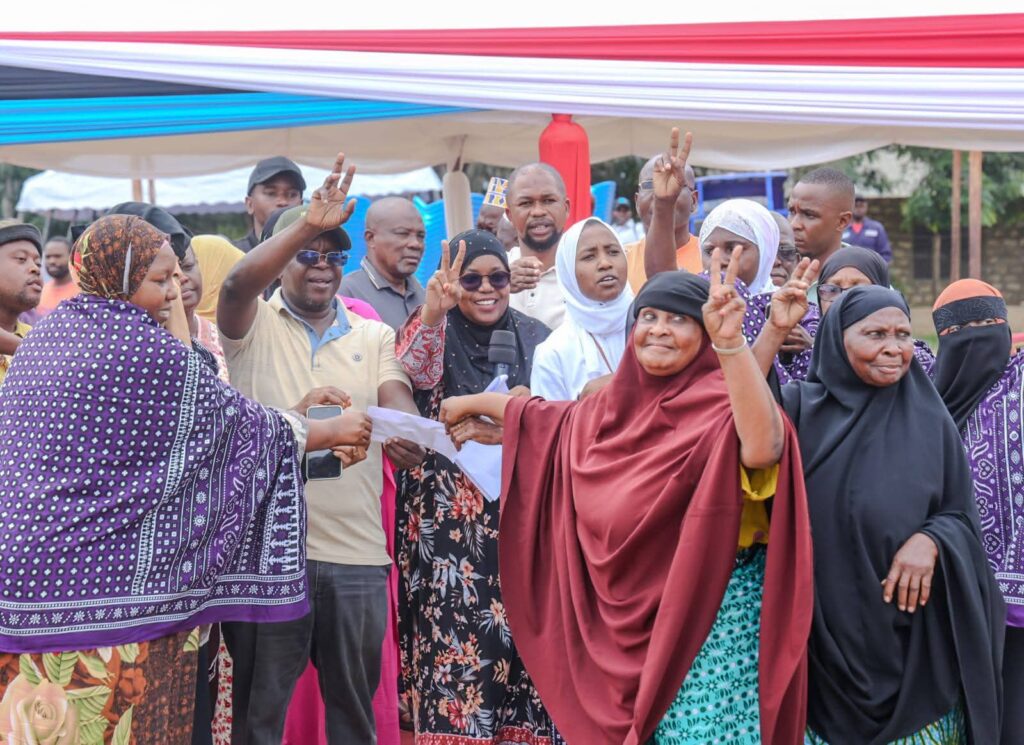
Moreover, economically empowered women are more likely to participate in leadership and decision-making spaces, strengthening social cohesion and inclusive governance. Their visibility as contractors and employers also reshapes societal perceptions about women’s roles in business and public life.
Why Women-Led Growth Matters.
Women own roughly a third of registered businesses in Kenya, yet many remain small due to limited access to capital, markets, and mentorship. Scaling these enterprises is critical for inclusive economic growth, particularly in counties where local economies depend heavily on small and medium-sized businesses.
By intentionally supporting women entrepreneurs, counties can retain wealth locally, reduce poverty, and build resilient economies that are less dependent on external contractors.
Sustaining and Expanding the Momentum.
To ensure long-term impact, women’s economic empowerment initiatives must go beyond one-off programmes. Key strategies for sustainability include:
- Continuous mentorship: Pairing emerging entrepreneurs with experienced business leaders to guide growth and resilience.
- Access to markets: Expanding procurement opportunities beyond county governments to include private sector and regional markets.
- Digital integration: Supporting women to adopt e-commerce, digital payments, and online marketing to reach wider audiences.
- Policy support: Strengthening affirmative procurement frameworks and simplifying compliance requirements for small businesses.
- Financial innovation: Designing flexible credit products that evolve with businesses as they scale.
A Blueprint for Inclusive Development.
Kwale’s experience offers a compelling model for counties seeking inclusive and sustainable economic development. By investing in women’s skills, easing access to finance, and opening doors to formal markets, local governments can unlock a powerful engine of growth.
Women are not just beneficiaries of development—they are its drivers. Supporting their journey from micro-enterprises to market leaders is an investment that pays dividends across generations.